by Apostolos Kotsampasis
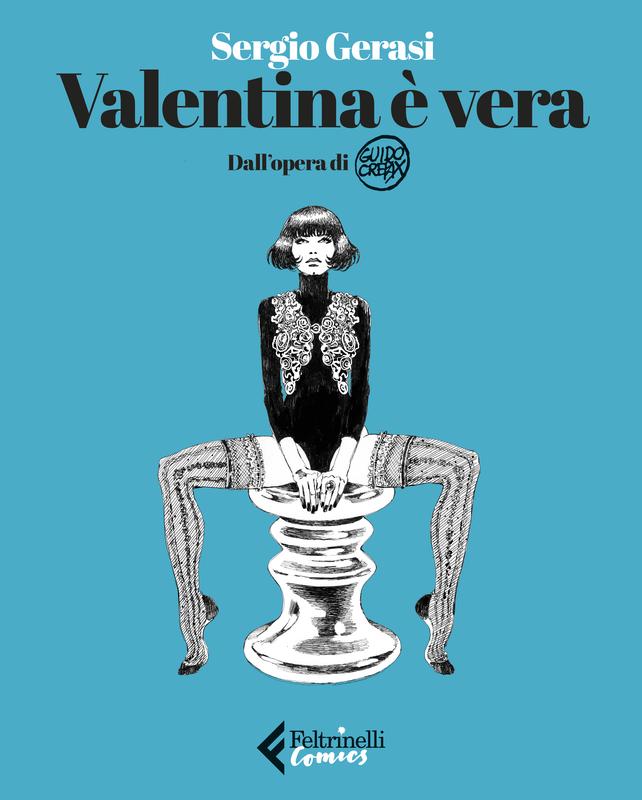
The Milan fog veils Valentina Rosselli’s Hasselblad as it captures black-and-white photographs that pierce the 1960s like a dream. She is a cultivated, powerful woman, with refined taste in art and fashion, left-wing political ideas, and an intense sexual curiosity. A photographer, she drifts through galleries and salons. Her life is a catalogue of Yves Saint Laurent imitations and Freudian deviations.
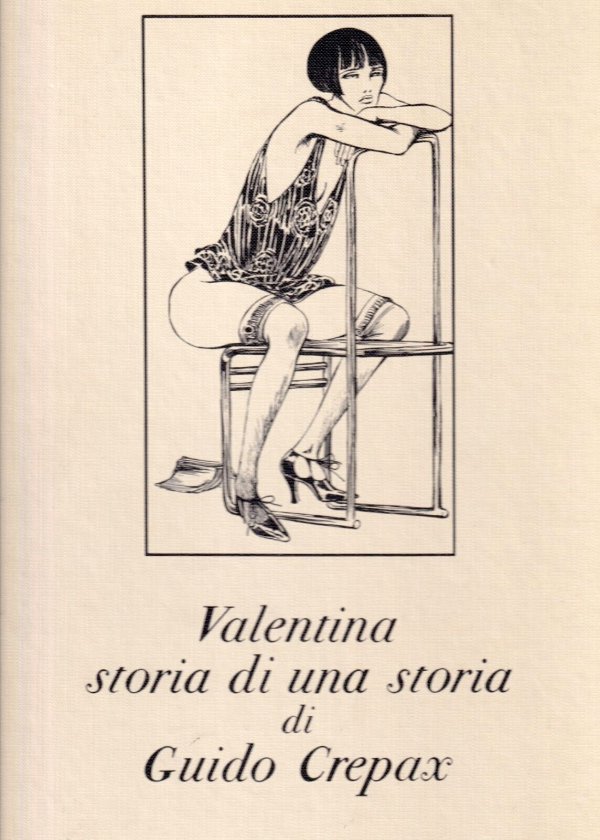
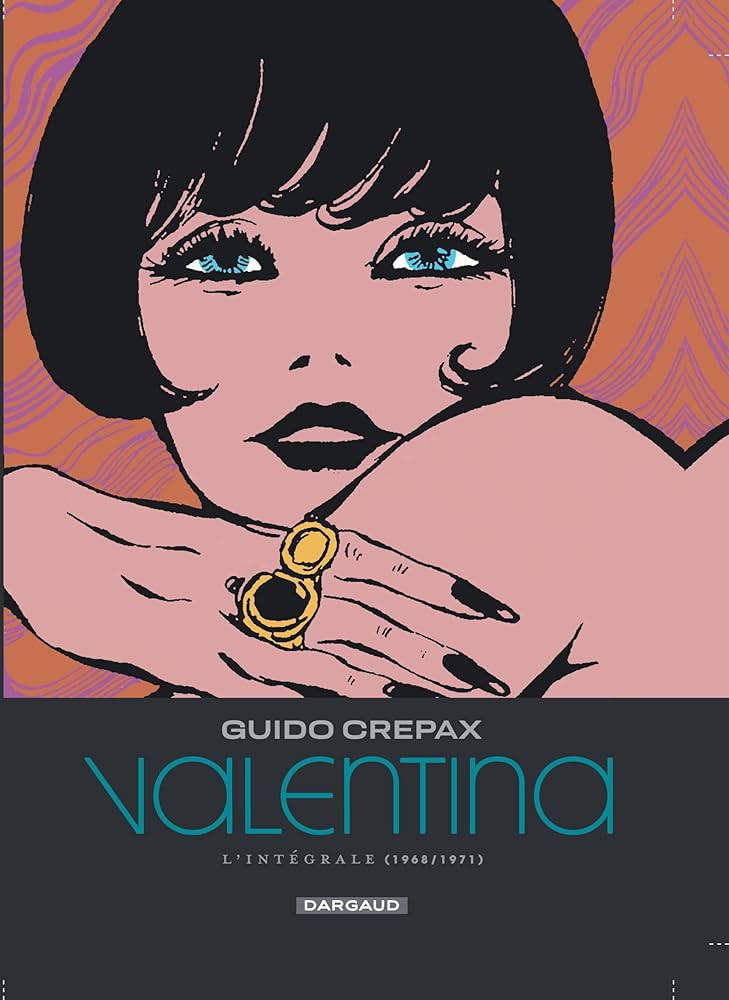
Guido Crepax conceived Valentina in 1965, inspired by Louise Brooks’s style in silent films—that sharp, androgynous haircut recalling Lulu in Pandora’s Box (1929) – with all that surface elegance masking the void beneath.
Initially, though a secondary character to the comic hero Neutron, Valentina became the sole protagonist of the series in 1967. The characters around her orbit like forgotten brands: Philip Rembrandt, aka Neutron, her partner, an art critic with useless superpowers, who critiques her poses while she binds him in leather daydreams. Their son, Mattia, arrives later, a prop in her surreal family life. Dialogue? Rare, fragmentary, like advertising slogans – “I dream of you in chains,” she murmurs, or “The past is a fetish” – echoing a dose of Kafkaesque absurdity; conversations dissolve into psychedelic panels where words turn into whips and shadows.
Intricate lines carve erotic tableaux; frames shatter like mirror shards; cinematic zooms borrowed from Fellini and Bergman—all rendered in strict monochrome—define Crepax’s style. His influences accumulate: the distortions of Surrealism, the anatomy of the Renaissance twisted into S&M poses, the glossy detachment of pop art. No warmth – only cold precision; pages turn like fashion catalogues, with S&M bindings and time travel. Over time, Crepax abandoned the science-fiction or detective themes of his early period, introducing a complex, strange blend of eroticism, hallucinations, and dreams, whose components included bisexuality, autoeroticism, and sadomasochism.
Valentina shattered the “childish” façade of comics of her era, giving birth to adult erotic literature in Europe and influencing graphic novels all the way to the fashion of Vogue. She quickly became a cornerstone of European counterculture in the late 1960s and early 1970s. Her impact – a quiet revolution – saw women wielding cameras and desires, leaving men as accessories in the endless, languid parade of fantasy.
In 1996, Valentina’s story came to an end, but the bob haircut remains – iconic, empty.