Aston Martin DB12 – my kind of car!
I wish I could describe the sound of this car. Is there such a thing as a noise that could be described as “creamy gravel”?
by Jeremy Clarkson
After my strict but fair criticism of the DBX in this column, I was put on Aston Martin’s black list and banned from driving their press cars. Or at least, that’s what I assume happened. In truth, they never showed me a red card or informed me in writing. So I didn’t actually know. Apparently, though, it wasn’t a red card at all. More like a penalty, and now I’m back on the pitch—although I didn’t realise I’d ever been sent off. Which is why I can, for the first time, write a review of the Aston Martin DB12.
First, however, I need a new desk. You wouldn’t think this would be a problem, because a desk has four legs and a flat surface on top. So you go online, order one that doesn’t require self-assembly, and that’s that.
But no. The reason is that we now live in an age where the only thing that matters is style. Which is why the desk I bought is inspired by a Black Hawk helicopter and made from Spitfire-grade aluminium.
I know I’ll tear my clothes on its bolts, and that on a sunny day the reflection from its silver surface will melt my eyeballs. So it has zero functionality and certainly isn’t cheap. But it looks good, and that’s the end of the matter.
The same applies to my juicer, my coffee machine, my garden-boot washer, and even my toilet-brush holder. I never really care about price or reviews. Only style.
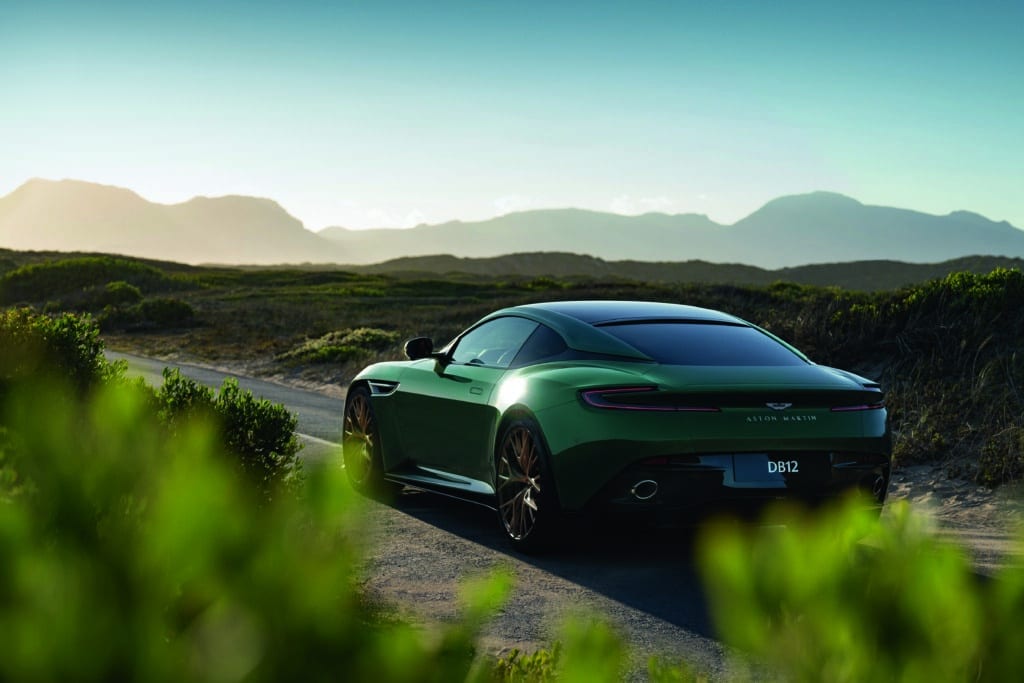
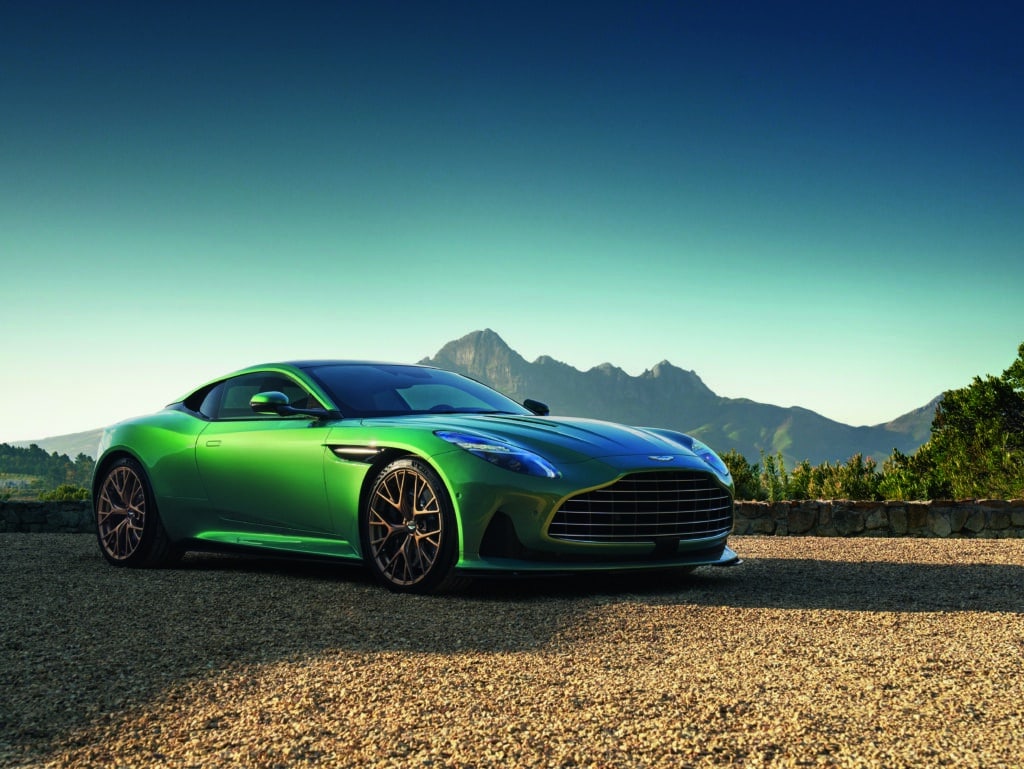
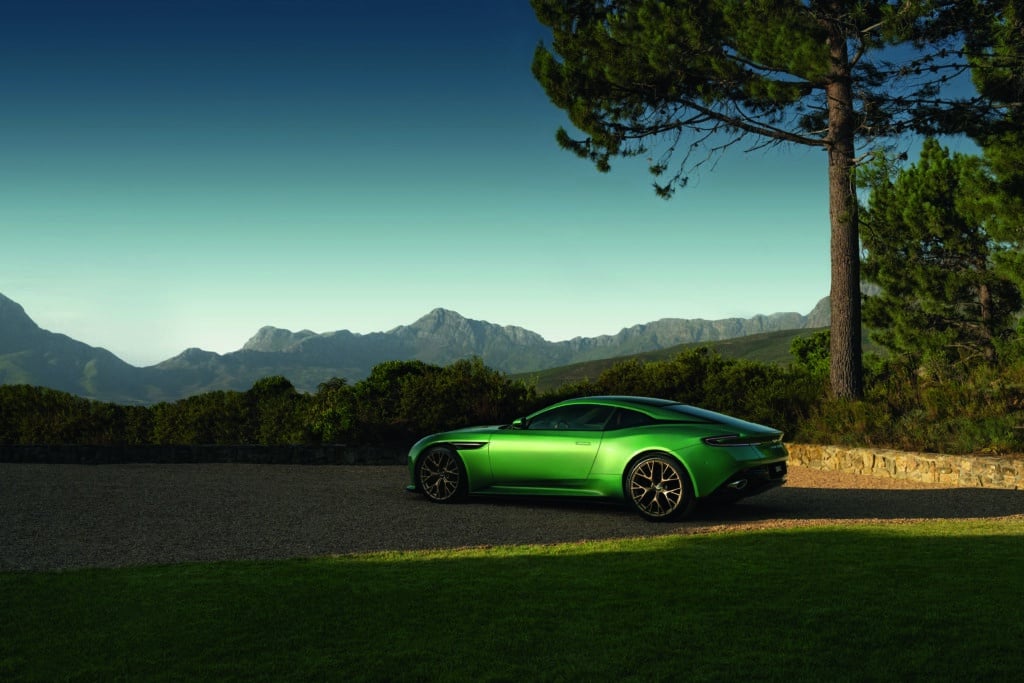
And so, back to the DB12, because it really is very beautiful. Of course, it doesn’t look hugely different from the DB11. The rear end, with its invisible spoiler, is almost identical. And that’s no bad thing.
About 25 years ago I was with two giants of car design, Ian Callum and Peter Horbury. Ian had designed millions of cars, from the Ford Escort Cosworth to the Aston Martin Vanquish, and Peter, who sadly is no longer with us, was behind the Volvo brand. Anyway, I gave them a pen and a piece of paper and asked them to draw the perfect sports coupé in ten minutes. Both sketched something very similar to what you see in the photo this morning. That’s how a car like this should look. Long bonnet. A curved rear end, feline in nature. Tyres that properly fill the wheel arches.
You can trace this design language back to the 1960s, of course. The Jaguar E-Type and the Ferrari GTO are the first examples that come to mind.
But Aston Martin has taken aesthetics a step further by applying them to every single detail. The door handles are stylish, the rear lights are stylish, and the vents in the front wings stand out with their distinctive design.
That wasn’t always the case. The wonderful Giorgetto Giugiaro designed the Lotus Esprit, but then they fitted it with door handles from a Morris Marina and mirrors from a Citroën. Details didn’t matter back then. Now they do, which is why the door mirrors on the Aston fold in as if performing a ballet move.
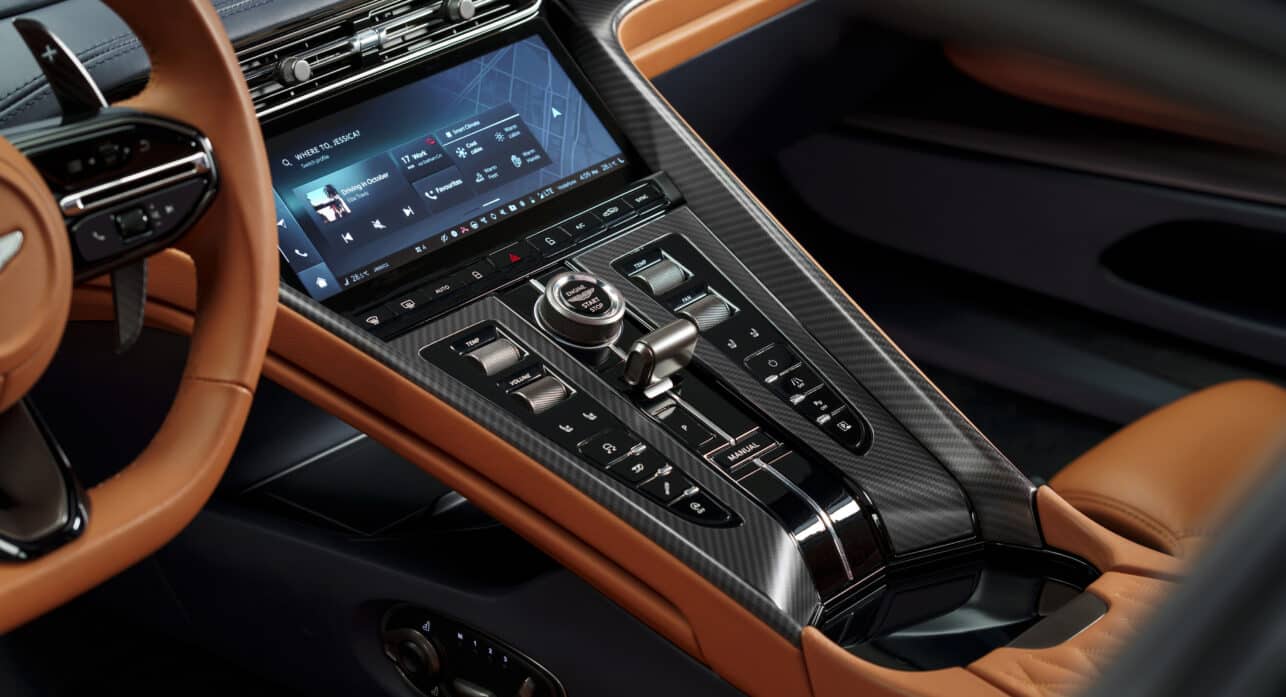
That said, the interior of the DB11 wasn’t that great. It was a bit grey, if I’m honest. And it had a square steering wheel, which is obviously stupid. But in the DB12 all that has changed, because the designers worked their magic on every detail. There’s nothing that isn’t excellent.
So if you’re like me and care above all about how something looks, this car is for you. But if you’re not like me, there are one or two things you should know.
Small manufacturers have always struggled with proper ergonomics. A big company like Mercedes tests prototypes endlessly and has the staff, money, and time to fix any issues before a car goes on sale. That’s one of the reasons the Ineos Grenadier has so many design flaws – because Ineos isn’t a major car manufacturer.
Nor is Aston Martin. Unlike Maserati, which has Stellantis behind it, or Bentley, which has Volkswagen, Aston belongs to a man who made his fortune selling trousers. So when test drivers discovered – and they must have – that when you use the touchscreen it’s very easy to accidentally turn on the heated seat, there was neither the time nor the money to fix it.
There are other issues too, like how incredibly easy it is to activate the voice control. You’re driving along, chatting to your passenger, and suddenly the car asks how it can help. Bluetooth phone pairing also isn’t exactly quick.
But these are minor niggles. The bolts on my desk. The broken gear selector on my juicer. Style always comes with small annoyances.
Anything else? Not really. Yes, many components, such as the V8 engine – the V12 has been dropped – come from Mercedes-AMG, but so what?
Bang & Olufsen hi-fi systems were basically Philips electronics in fancy packaging, and no one minded. It’s not as if Aston hasn’t modified what it received. The V8 has better camshafts and larger turbos, producing 671 horsepower, which is a lot. And thanks to a shorter final drive, it launches from zero like lightning.
If Aston hadn’t fiddled with the chassis, that might have been a problem, but they worked hard on the wheel arches too, and it shows. This is a car that sits very nicely between the superb Ferrari Roma and the rather cramped Bentley Continental. I enjoyed driving it.
I especially loved the sound and wish I could describe it. But it’s difficult, because it’s both harsh and smooth at the same time, which makes no sense. Is there such a thing as “creamy gravel”? Because that’s the best way I can put it. I think if it were a singer, it would be Joe Cocker.
Now I worry that some of you might think I’m giving this car four stars just to make sure I don’t get another red card. But that’s not true. And I’ll prove it by pointing out that it’s insanely expensive.
They say the starting price is £185,000, but if you add a few options it can easily reach £250,000. And if you want the convertible, even more.
But then again, I’ve just spent £3,000 on a desk that blinds me and rips all my clothes. So honestly, the DB12? It’s my kind of car.
 Popular