by Apostolos Kotsampasis
Beau Brummell would have approved of cufflinks — those tiny, gleaming fastenings that appeared in the late 17th century as discreet invitations to excess. Before them, men tied their shirt sleeves with ribbons or cords, practical but dull.
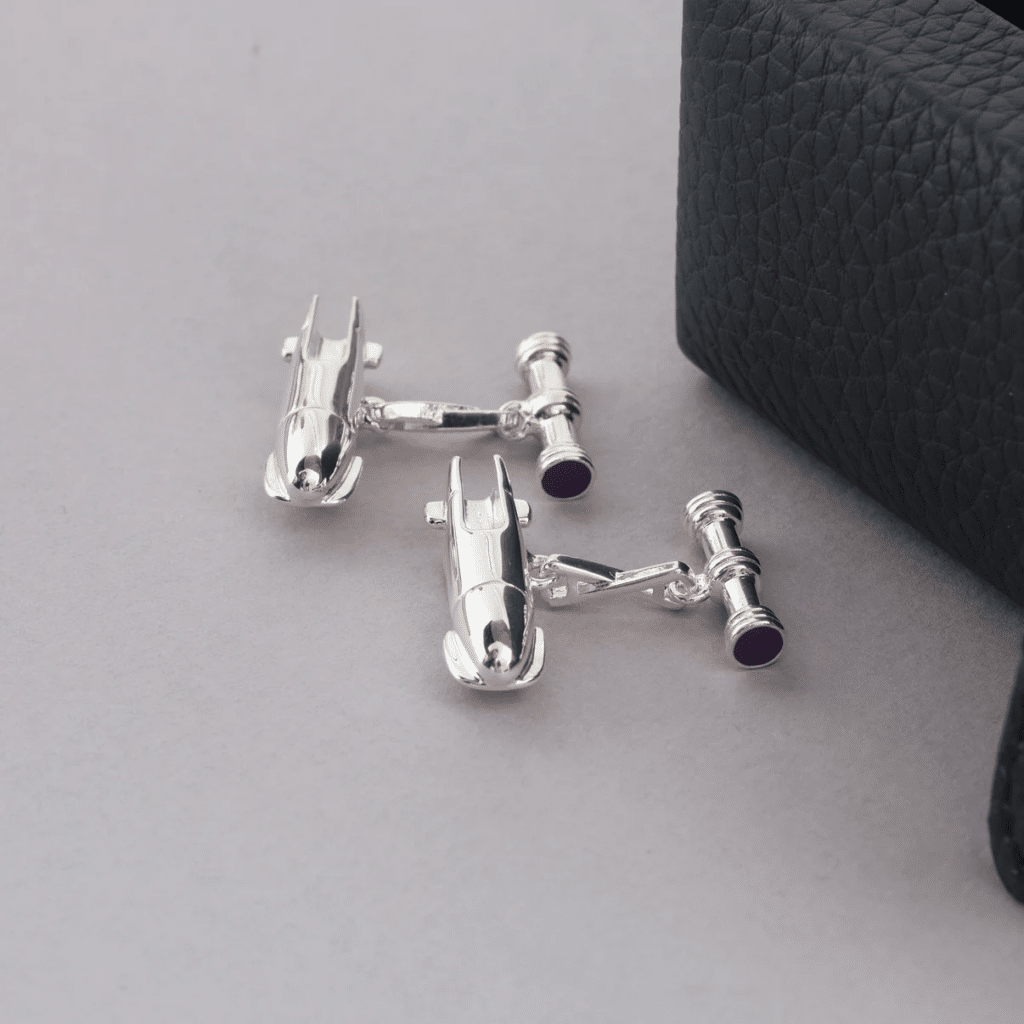
Then came the French cufflinks, which demanded something more refined: polished gold, engraved silver, enamel inlays by Fabergé or Cartier, turning a sleeve into a billboard of pedigree. In the Victorian era, they were a clear symbol of social status: a duke’s diamond cufflinks versus a clerk’s brass imitations, signaling class differences in boardrooms and ballrooms. They shaped men’s dress like invisible architecture — elevating the suit from uniform to statement, adding that final, obsessive detail. A man wearing Asprey cufflinks wasn’t simply dressed; he was armored with ambition.

Now, in the age of athleisure — with Supreme hoodies and Uniqlo T-shirts — cufflinks seem like relics of a dead cultural era. Tech bros in Patagonia vests mock formality, while sportswear eliminates the need for cuffs altogether. And yet they persist — ironically on a Thom Browne shirt at fashion week, or with solemnity in hedge fund meetings — reminding us that elegance is a luxury most cannot afford or simply don’t care about. The modern man scrolls through TikTok in sweatpants, wrists bare, unburdened. Cufflinks? Outdated ornaments for the ghosts of past ambitions. Or maybe not?
 Popular