by Christos Zabounis
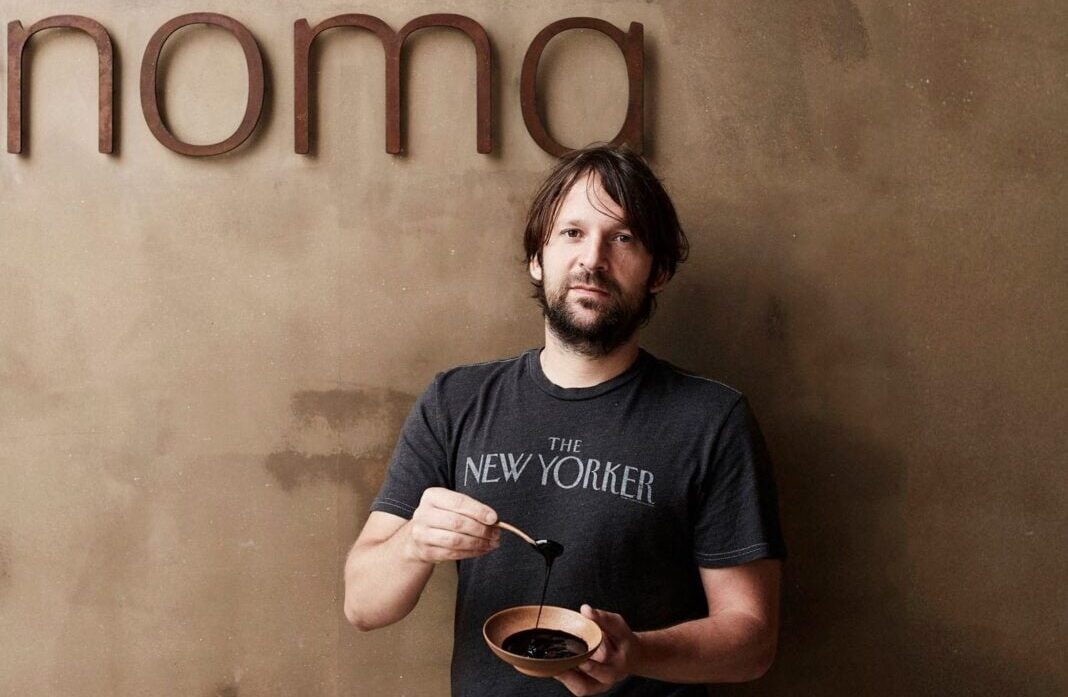
Last week, while traveling to Kasos, I purchased from the Aegean lounge the March 10 issue of the “New York Times”, which is distributed in our country together with the English edition of “Kathimerini”. A front-page article entitled “Threats and abuse on the menu” did not escape my attention. It was accompanied by a photo of the entrance to the restaurant “Noma. What is “Noma”? The number-one restaurant, for many years, in Copenhagen. It was founded in 2003 by Rene Redzepi, a Kosovar by father and a Dane by mother, and he named it from the abbreviation of two words: Nordisk, Scandinavian, and mad, food. Using over 20 local ingredients in each dish, with experimental fermentation, drying and yeast techniques, it was the top destination for foodies and not only, for two decades. As strange as it may sound, Redzepi decided to close it in 2024, because it was… unprofitable. He, of course, also put forward other reasons, such as creating a food lab and getting rid of the tedious daily operation of a restaurant. His fans, however, were disappointed. Until he announced that he would open a pop-up “Noma” in Los Angeles, from March 11 to July 26 of this year. In 60 seconds, reservations were closed for the entire period. Price of the meal 1,500 dollars. One day before the opening, the cancellation came. 35 employees, contacted by the newspaper, denounced the chef’s abusive behavior on more than one occasion. Redzepi was forced to resign, accompanied by the necessary apology to those who suffered under his leadership. Several Californians canceled their reservations, but the waiting list was so long that the positions were filled. Several of his colleagues took a stand, contrasting talent with bullying, while it opened a broader discussion about working conditions in haute cuisine kitchens. It happens in the U.S.
 Popular