by Christos Zabounis
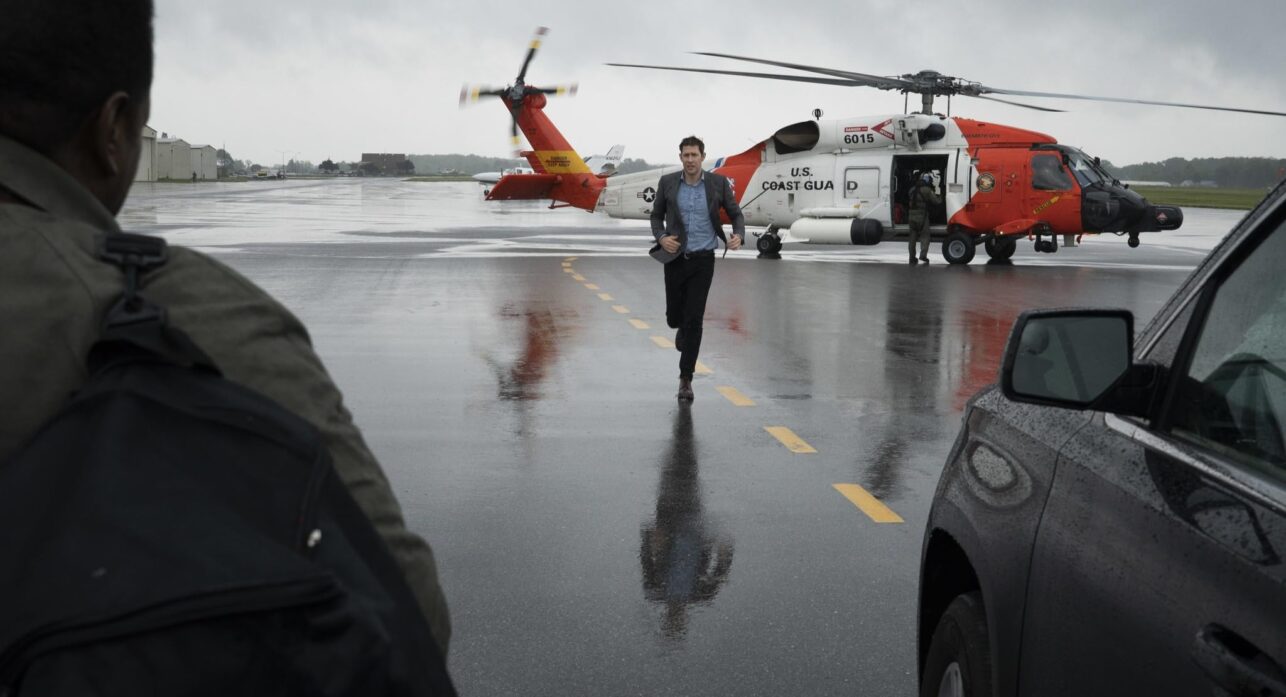
In 2018, the television series Tom Clancy’s Jack Ryan was released on Amazon’s Prime Video platform. It is a spy thriller inspired by the prophetic novels of Tom Clancy, in the sense of anticipating events that would unfold later. Examples include the crash of an aircraft into the Pentagon or various conflicts erupting in the world’s geopolitical hotspots. Following the kidnapping of Nicolás Maduro and the crisis in Venezuela, a clip from the second season went viral, in which Jack Ryan, the CIA analyst and protagonist of the series, explains to a university audience why Venezuela could pose a greater threat to U.S. national security than Russia, China, or North Korea. “We are dealing with a failed state, one that adversaries can easily exploit,” he stresses. In his lecture, he does not refer to intervention scenarios, although, as one can easily understand, such matters are never publicly announced. What the series does foreshadow, however, is the way U.S. intelligence services think and operate, presenting technical details that have made its author perhaps the most recognizable figure in his genre. This is precisely why his name is prominently featured in the title of the series, a detail that often confuses viewers unfamiliar with his work. At a time when the majority of Greek commentators in both traditional media and social media have suddenly become experts in geopolitics, reading Clancy’s books would be a useful exercise for enriching their understanding.
 Popular