by Christos Zabounis
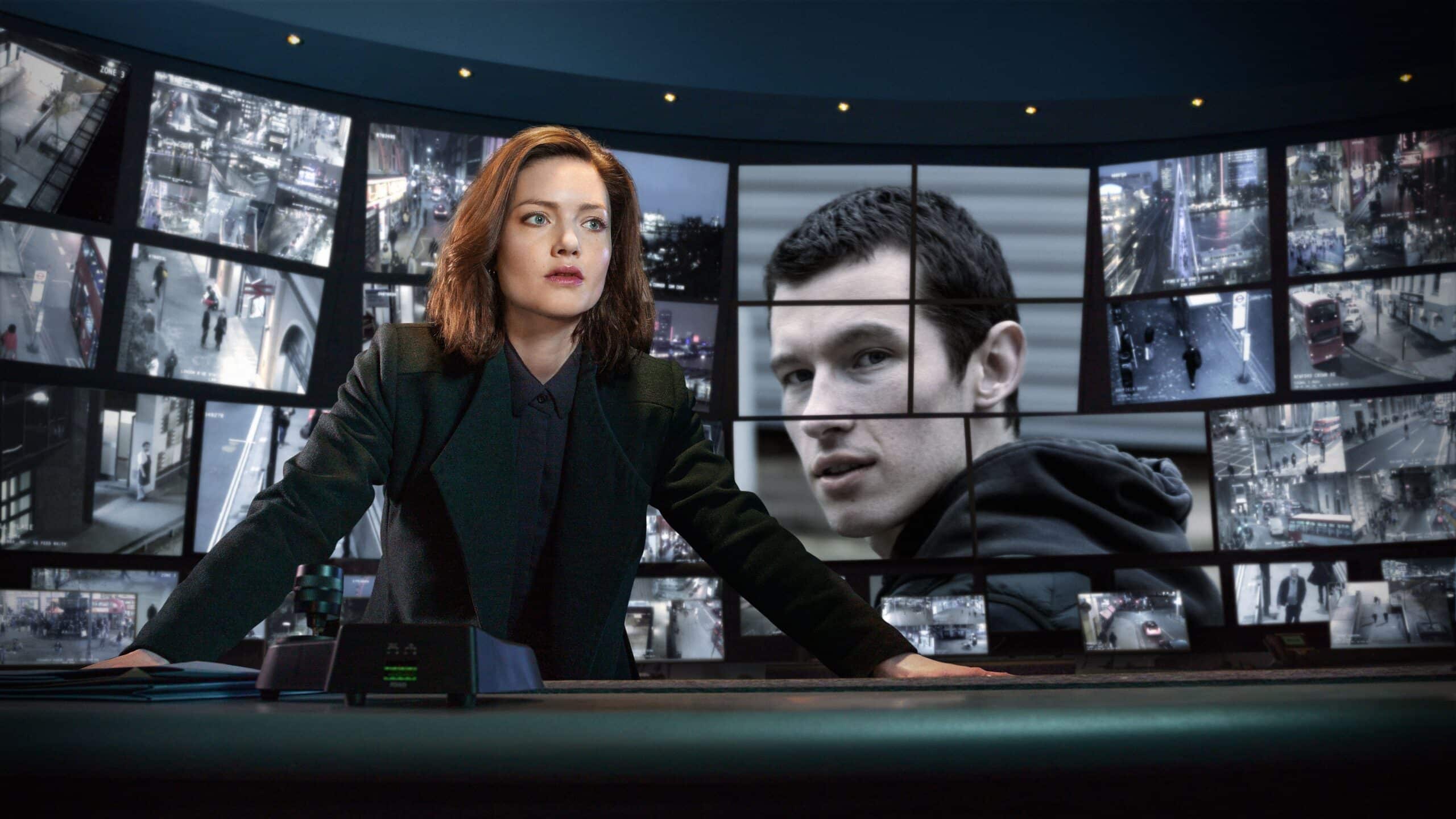
As early as 2019, viewers of the British TV series The Capture had the opportunity to discover – because it truly was a revelation – the remarkable capabilities of real-time deepfakes. The term refers to the instantaneous alteration of a person’s face or voice during a live broadcast or video call. A recent victim of this technology was Thanos Dokos, the National Security Adviser to the Greek Prime Minister, when one of two Russian pranksters – or “pranksters,” in the most charitable interpretation – impersonated his Ukrainian counterpart after sending nothing more than a simple email containing a malicious link. “I thought I was looking at Umerov,” Dokos later explained, referring to Rustem Umerov. The Greek government, for its part, acknowledged that the incident constituted a hybrid attack involving a breach of established security protocols. Alas, the opposition seized the opportunity to demand Dokos’s dismissal, either deliberately or inadvertently overlooking who would actually benefit from such a move. One need not be a cybersecurity expert to recognize that Russia has made alarming advances in recent years, launching coordinated digital attacks against Western targets. Until recently, Greece had remained relatively untouched by the hybrid operations of Russian hackers. In my view, the incident involving the National Security Adviser should not become fodder for petty political disputes. Instead, it ought to serve as a catalyst for educating Greek public officials about Artificial Intelligence and the emerging threats it presents. In the past, we described as illiterate those who could neither read nor write. Today, illiteracy increasingly means ignorance of new technologies.
P.S.: A review of this outstanding series can be found on Mancode Style, in English, under the title “The Capture and Deep Fakes.”