By Alexandros Varnezis
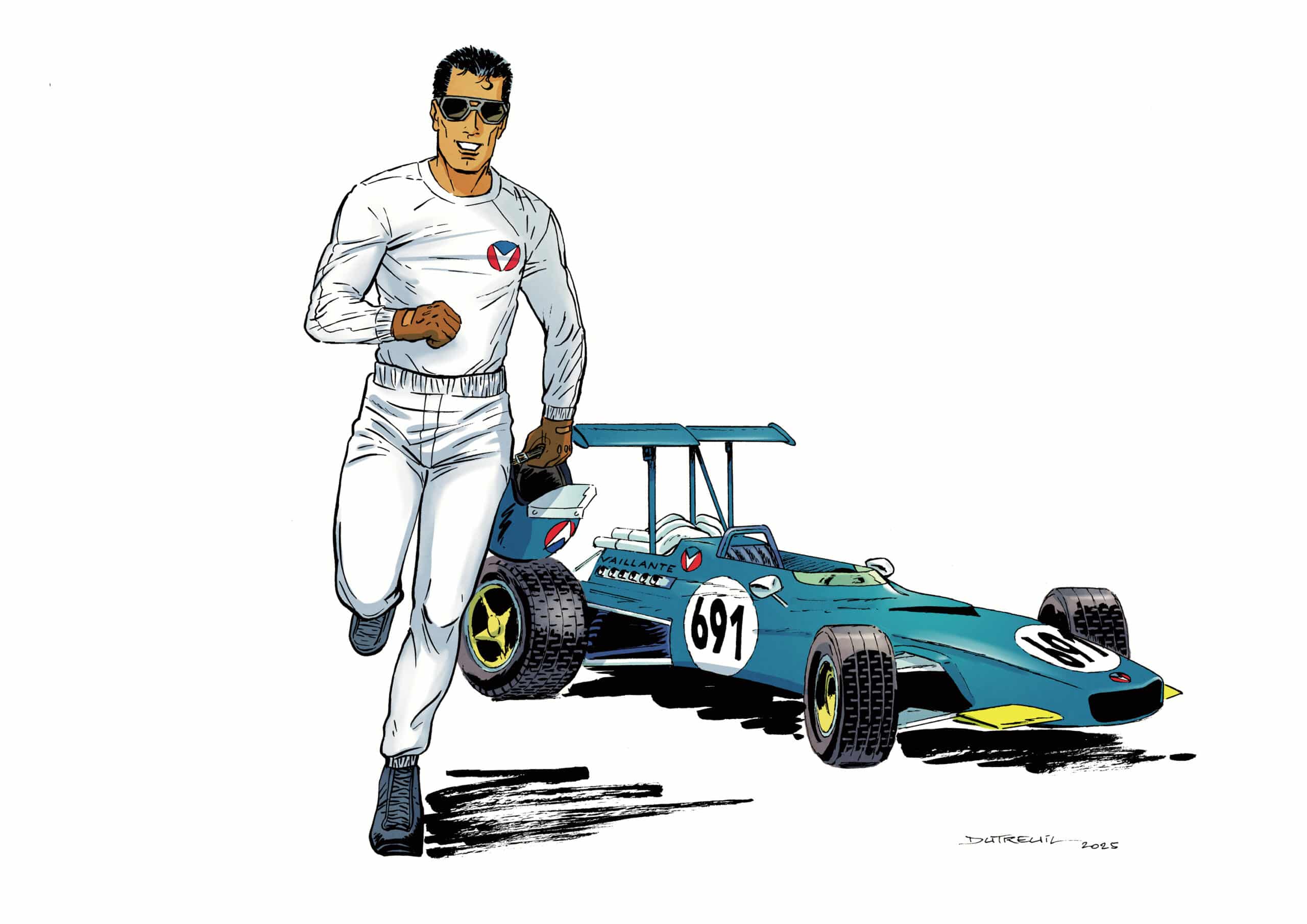
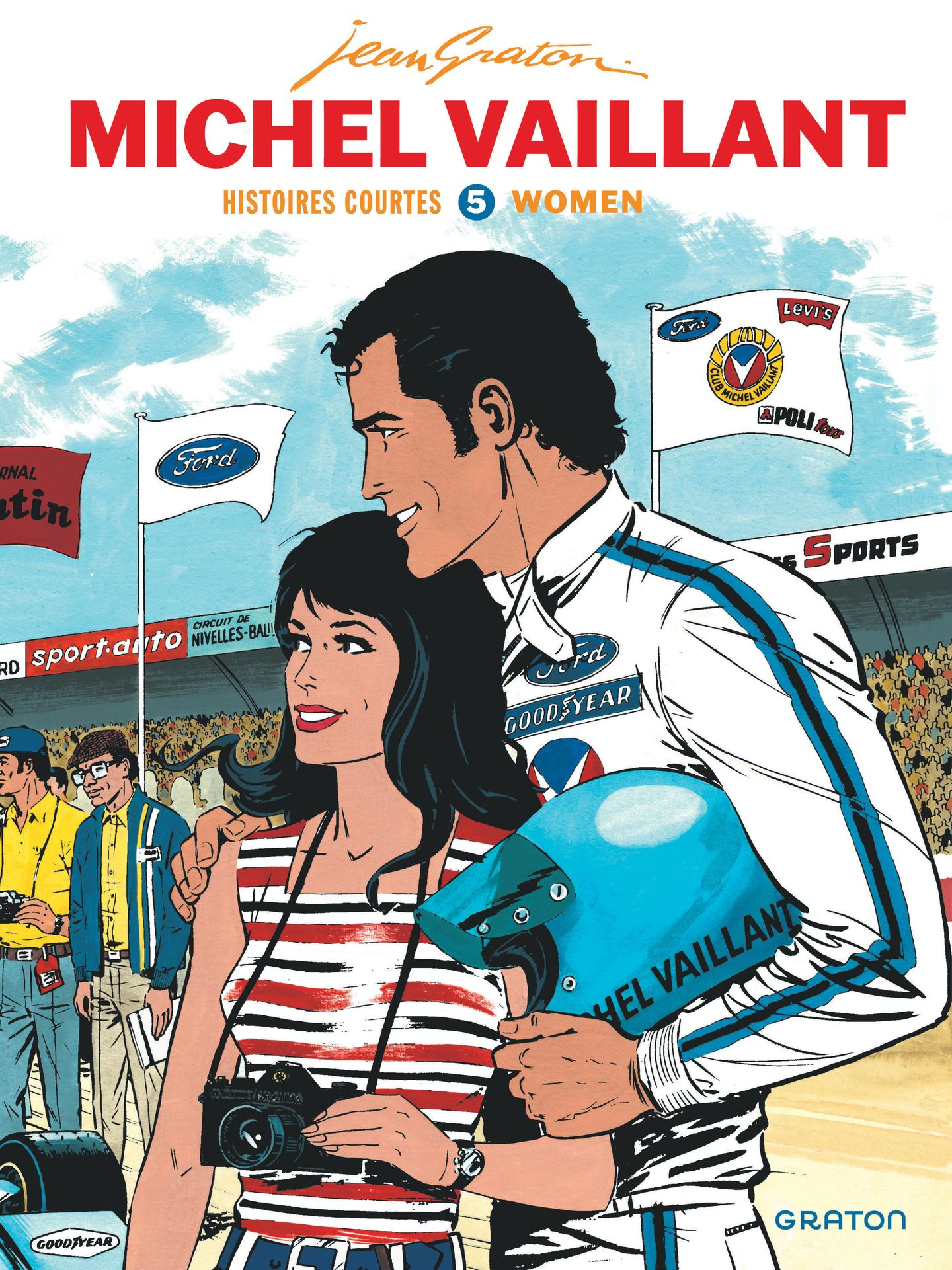
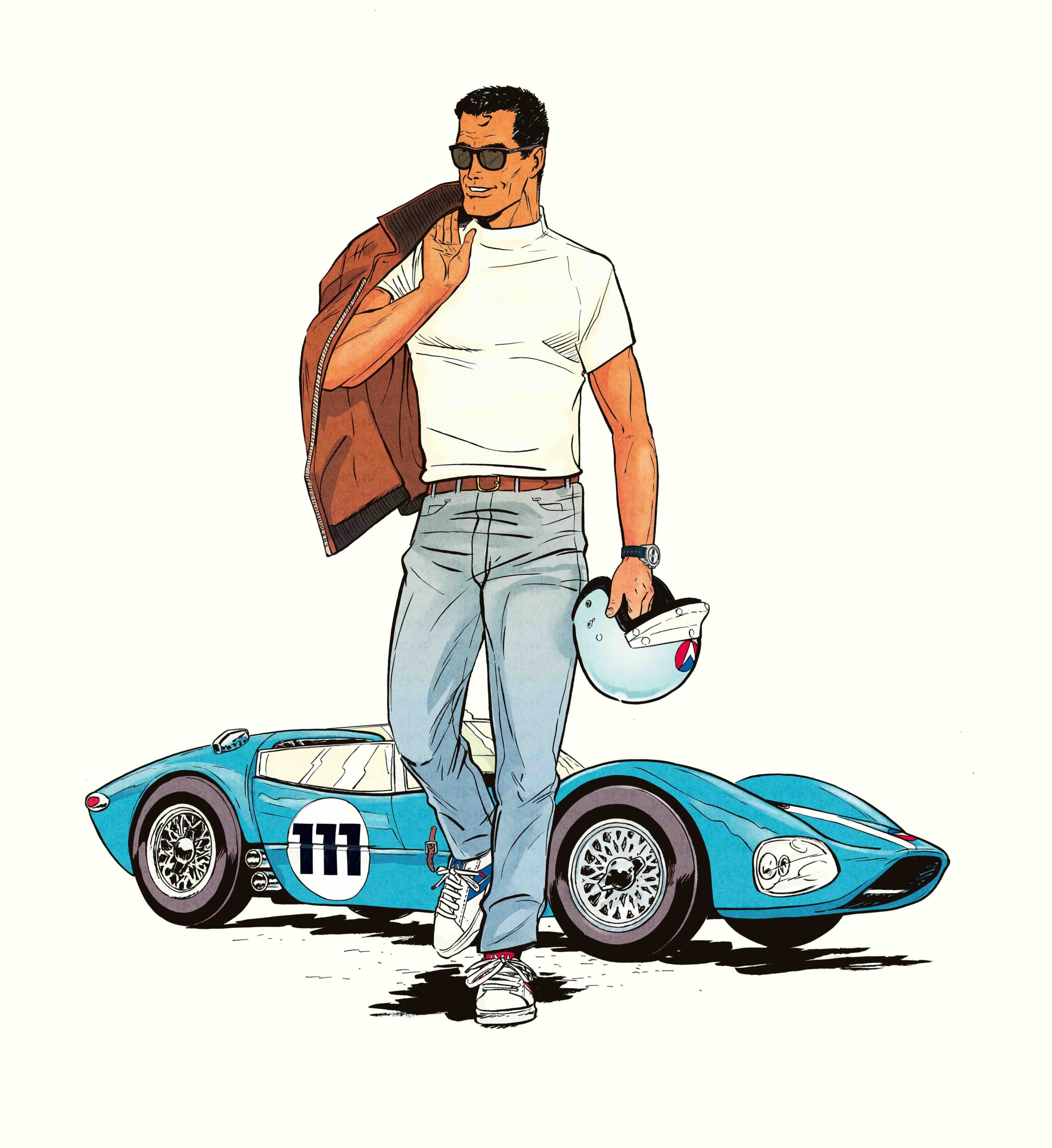
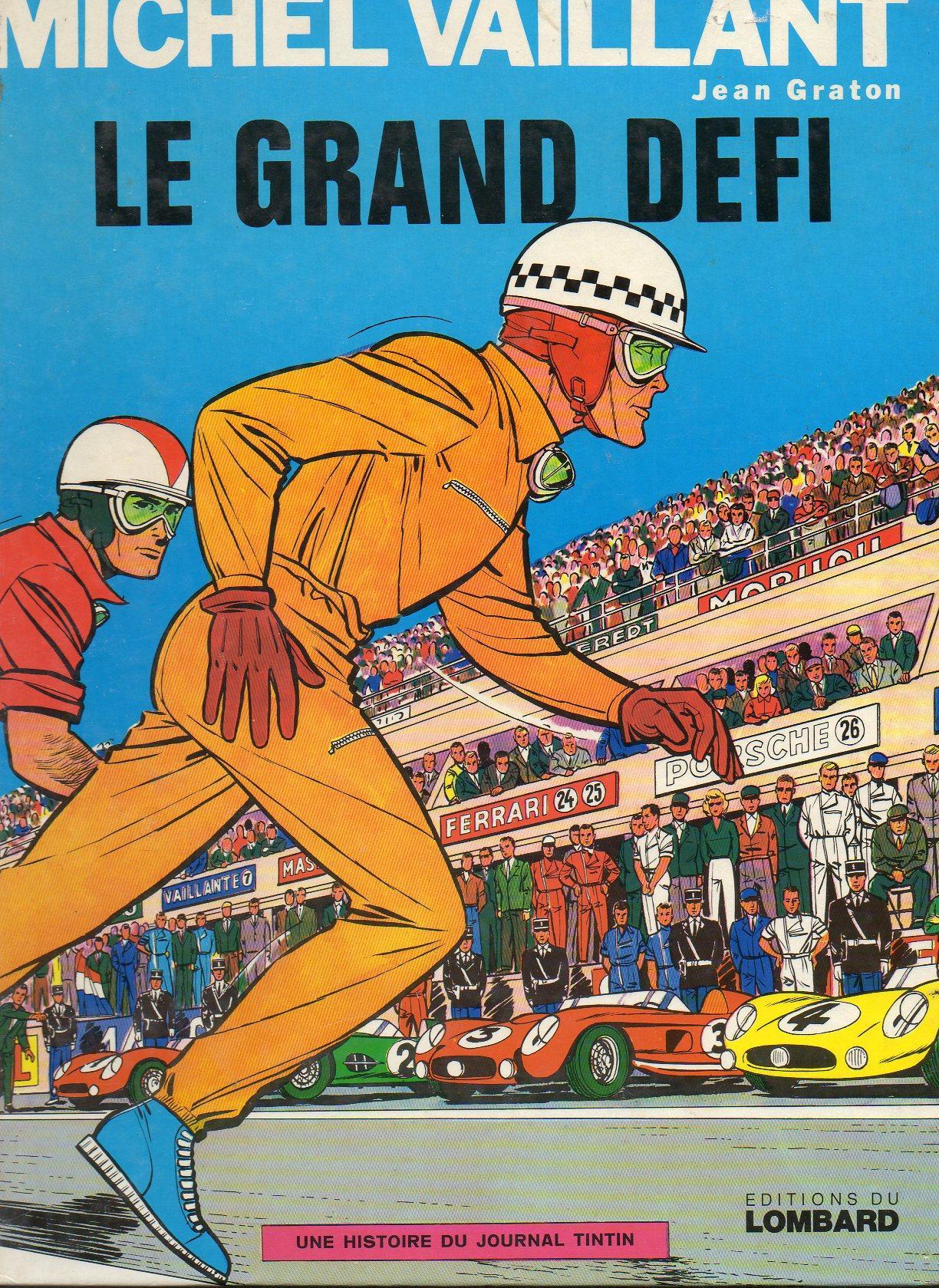
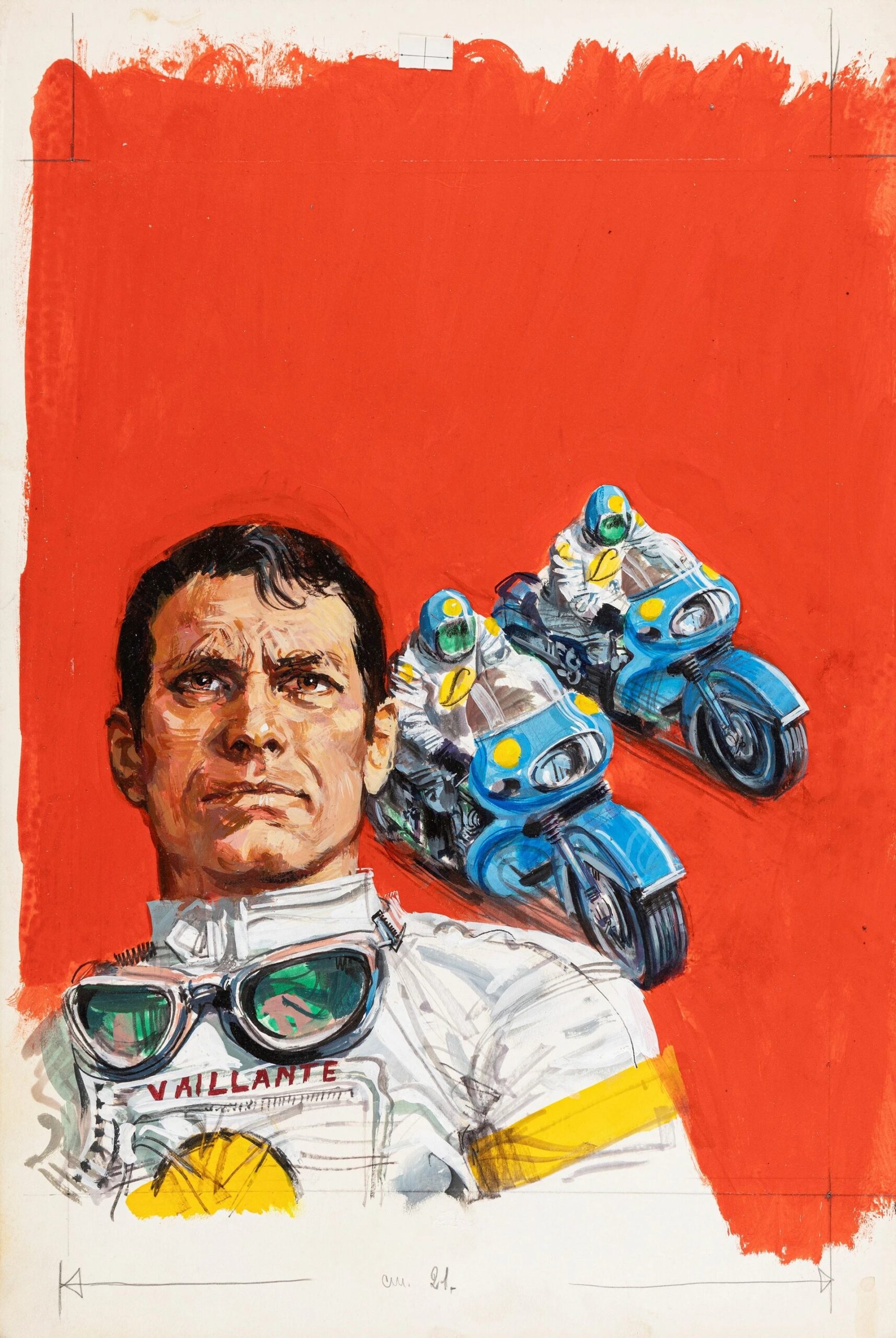
There is a precise, almost sensory moment in mid-20th-century European motor racing that history has struggled to capture through conventional photography: the heavy, metallic scent of high-octane fuel evaporating over sun-scorched asphalt on a straight, punctuated by the mechanical roar of a high-revving V12 engine. And yet, back in 1957, among the crisp, ruler-drawn panels of Journal Tintin, a Parisian comic artist named Jean Graton (1923–2021) managed to bring this fleeting, exhilarating world to life on paper. His creation, Michel Vaillant, was more than a comic-book series about a charismatic French Formula 1 driver, with a square jaw and an immaculate side part. It was an expression of almost devotional dedication to the romantic, lethally dangerous era of international motor sport, rendered in meticulous detail.
When Graton introduced Vaillant — the heroic heart of the fictional Vaillante family racing dynasty — he was working under the banner of Le Lombard, the Belgian publishing house that helped define the post-war Franco-Belgian tradition of ligne claire, or clear-line illustration. While his contemporaries were sending journalists to the Congo or young detectives into surreal adventures, Graton took his drawing board straight to the pits of the 24 Hours of Le Mans, Spa-Francorchamps and Monaco. He understood early on that motor racing was, fundamentally, a modern theatre of speed, where geometry, human ambition and industrial engineering converged.
What set Michel Vaillant apart was Graton’s obsession with authenticity. His pages did not simply depict generic red racing cars overtaking against indistinct backdrops; they reproduced the chassis of Brabham, Ferrari and Lotus with technical precision, down to the placement of rivets, suspension joints and sponsor decals. Even more remarkable was the regular appearance of real-life racing legends — Didier Pironi, Stirling Moss, Jackie Stewart, Jacky Ickx, Gilles Villeneuve and, later, Alain Prost — competing alongside Vaillant within the panels.
Vaillant himself was crowned World Champion four times. He won the Indianapolis 500 twice and the 24 Hours of Le Mans five times. He also competed in rally racing, winning both the East African Safari Rally and the Paris-Dakar Rally. His racing career extended to stock-car, Formula 2, Formula 3 and GT competitions. Beyond the track, he drove trucks and motorcycles, while also pursuing football, gymnastics, tennis, judo and skiing.