by Christos Zabounis
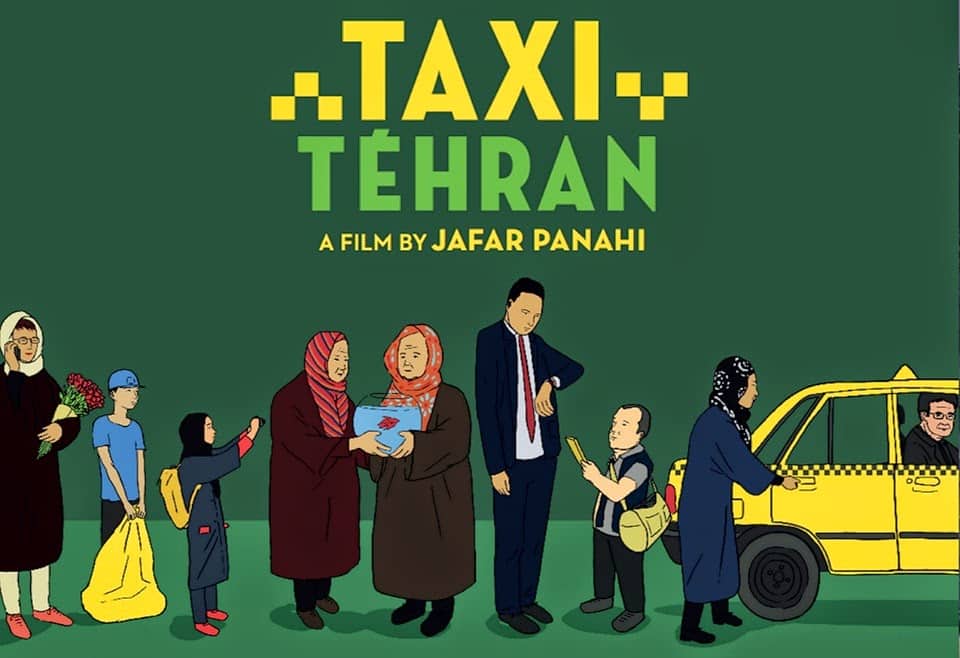
Now that it is becoming clear that the Israeli-American attack on the regime of the mullahs—because that is precisely what it is—will not be a walk in the park, I believe it would be useful to “visit” this historic country through its cinema. In recent weeks, alongside the bombs falling in live broadcasts, I have been watching films by Iranian directors that were either shot in Iran or revolve around the country. The finest of them all, from an artistic point of view, is without doubt “A Separation” by Asghar Farhadi, which won the Academy Award for Best Foreign Language Film. We are in 2011, and a couple is torn apart over whether they should leave the country or stay. Curiously enough, the film was not banned by censorship, even though it had to go through “a thousand waves” before being completed. The same fate did not await Jafar Panahi, who was convicted of propaganda against the regime seven months after winning the Palme d’Or at the 2025 Cannes Film Festival for his film “It Was Just an Accident.” The sentence was issued in absentia, but he faces a one-year prison term if and when he returns to Iran. Until then, Panahi had been living in Tehran and secretly sending his films abroad, such as the masterful “Taxi Tehran,” in which he himself plays the taxi driver. For cinephiles, the ultimate point of reference in Iranian cinema is considered to be Abbas Kiarostami. “Taste of Cherry” (1997), “Close-Up” (1990), and “The Wind Will Carry Us” (1999) prove that art can transcend restrictions. We shall close with “About Elly” (2009) by Farhadi, a profound critique of the middle class and its social prejudices. Art for art’s sake or ars longa, vita brevis.
 Popular