RADIO
| RADIO SHOP
CONTACT
Travellers Attitude · International Style Society

Analog Sensuality

by Apostolos Kotsampasis

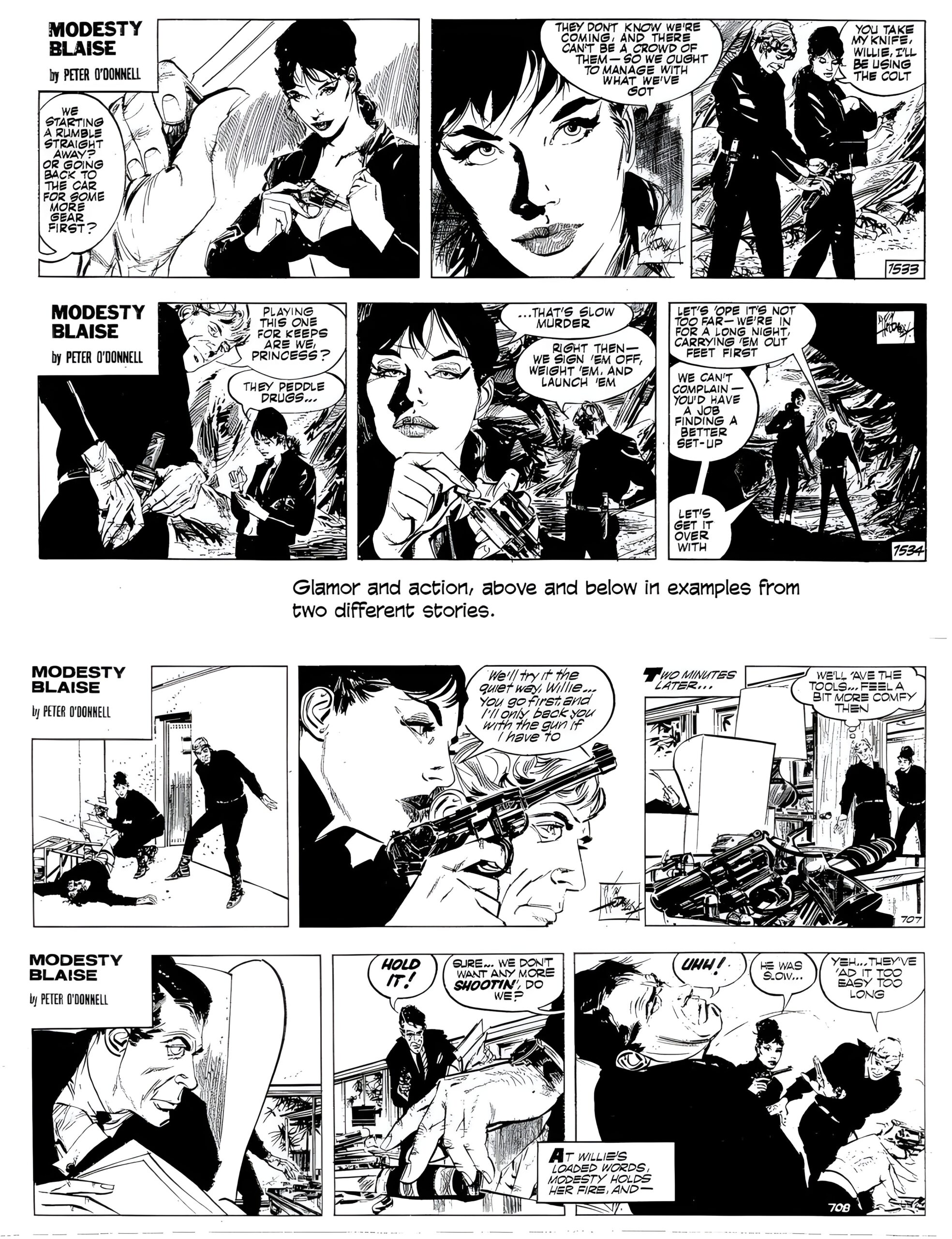
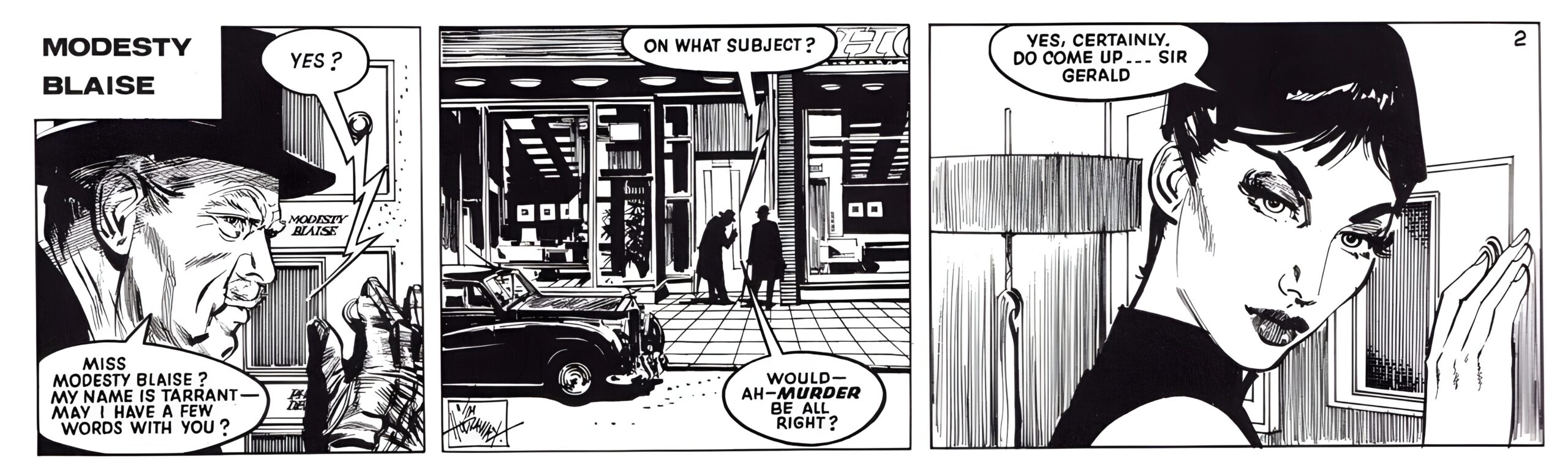
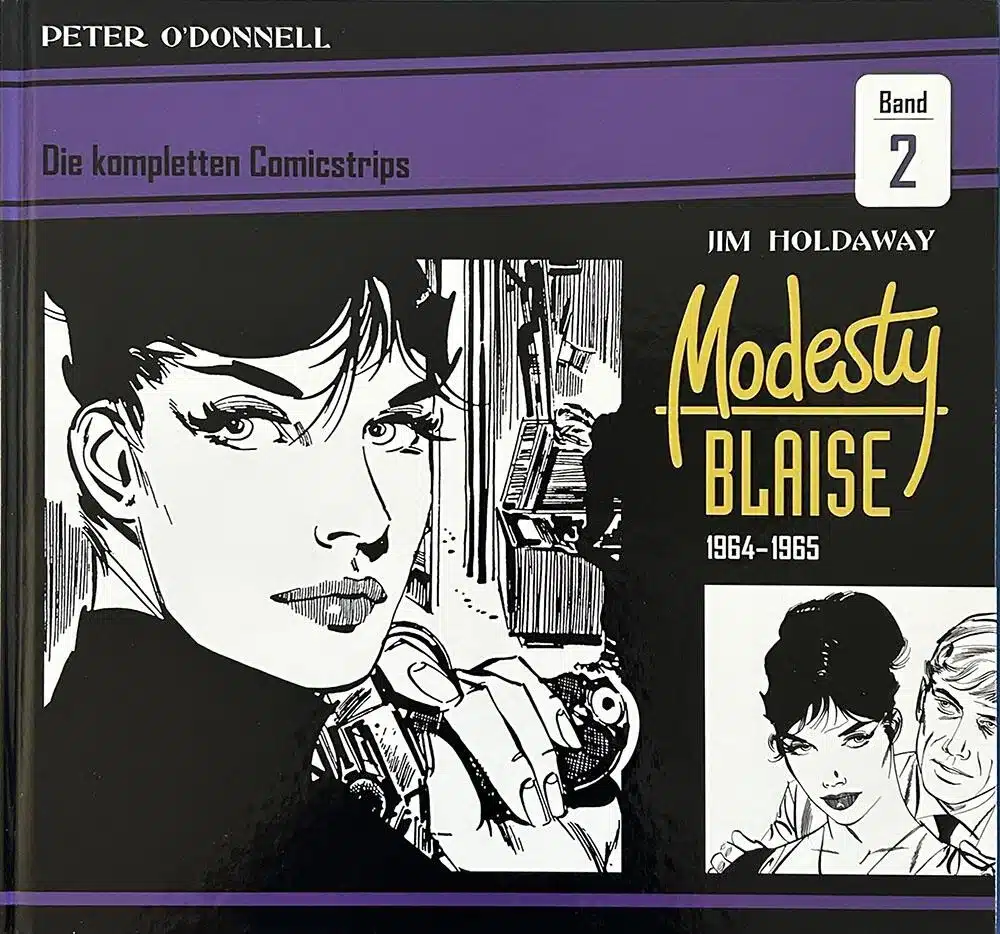
Born in the chemical ink of 1963, Modesty Blaise, created by Peter O’Donnell, was not merely a paper heroine — she was a cool, elegant antidote to the male-dominated paranoia of the Cold War. A woman who escaped the refugee camps of World War II to become the mastermind behind a global crime syndicate, before MI6 decided to buy into her style.
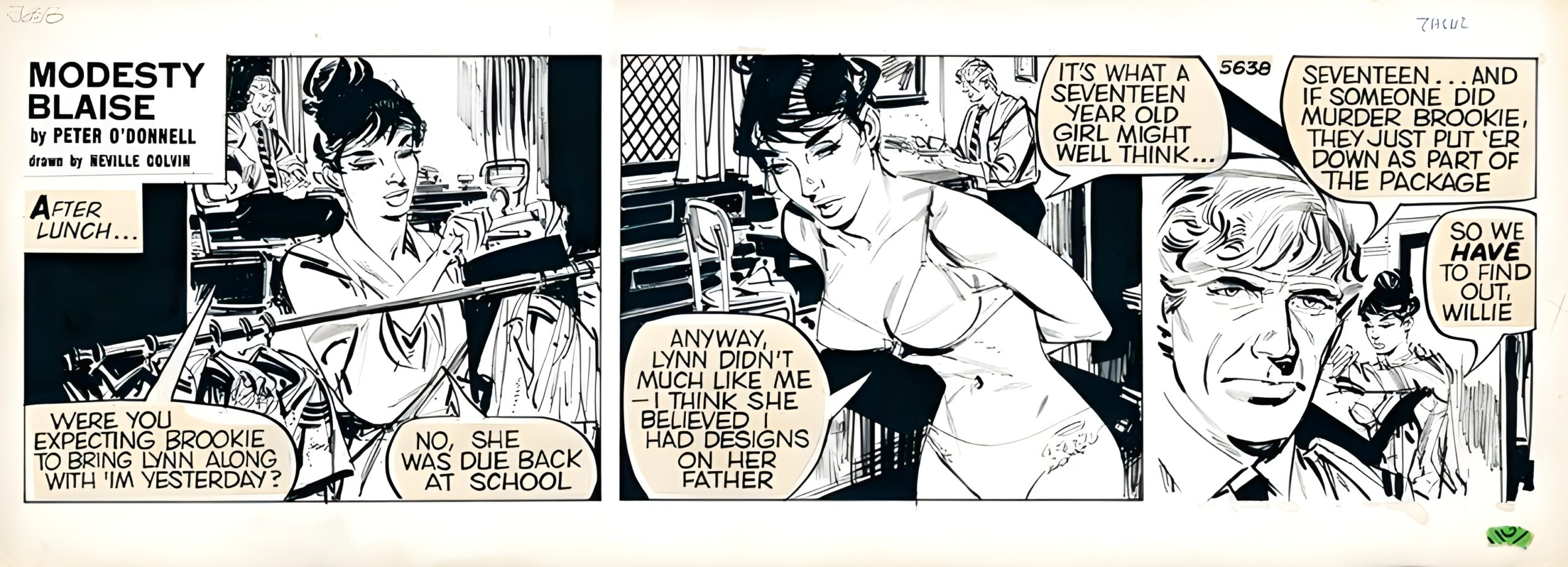
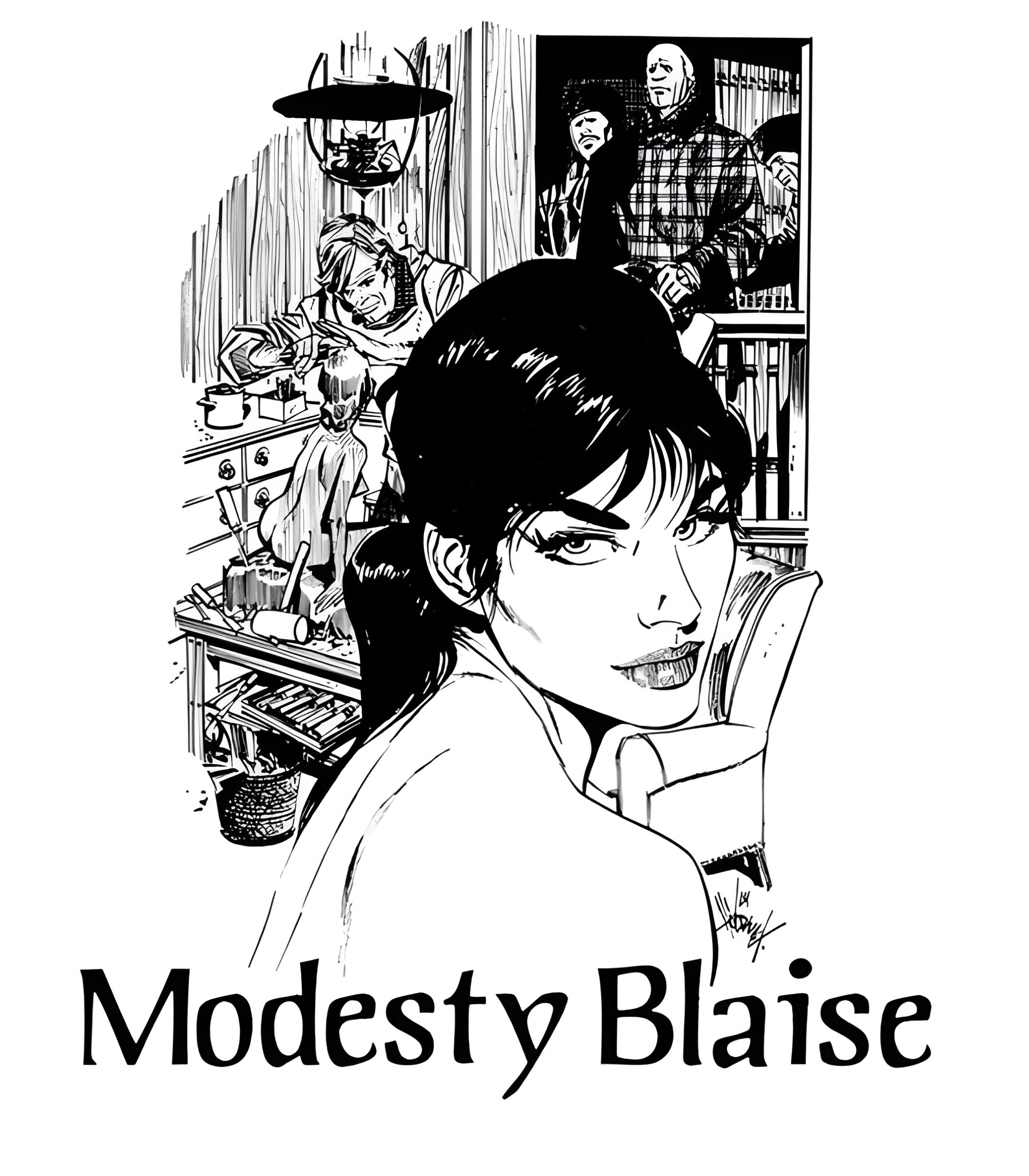
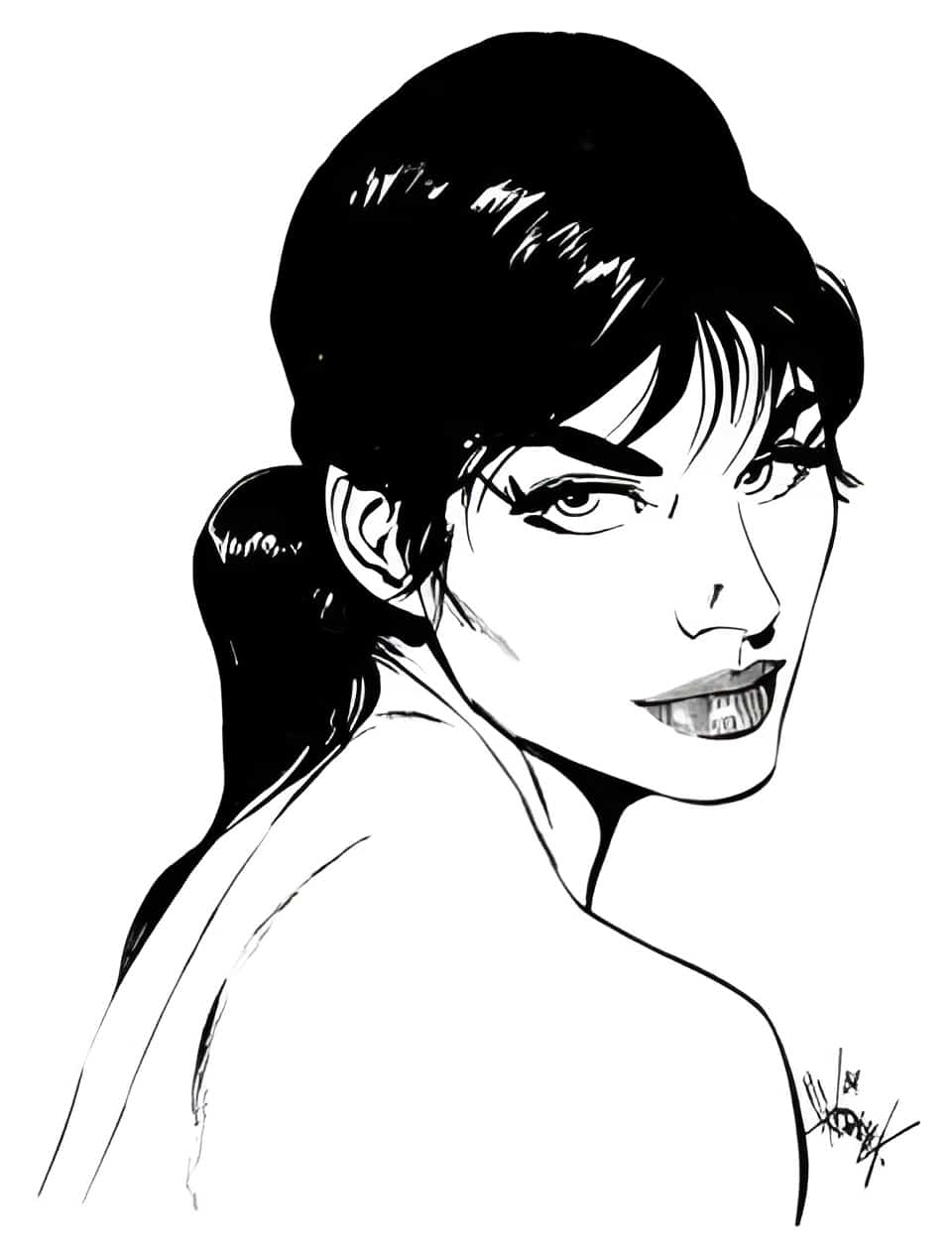
In the 1960s, Modesty embodied the ultimate fantasy of emancipation: she wore Courrèges, smoked Gitanes, and neutralized assassins without disturbing her chignon. Her image, sculpted through the pen of Jim Holdaway, became a manifesto of paper-born, analog sensuality. There was a tactile, almost carnal quality in the black-and-white shadows of the strips – attraction did not rely on excess, but on the promise of danger. It was an era when sexuality demanded gaze, anticipation, and a geometric aesthetic that today feels almost ancient.

And this is precisely where the difference lies. Looking at Modesty today through the filter of artificial intelligence, you can feel the weight of loss. AI constructs digital women with perfect pixels, flawless curves, and zero risk. It is a sterilized, algorithmic eroticism, without the smell of cigarette smoke, without the roughness of paper. Modesty Blaise had trauma, a past, a style. AI has only data. O’Donnell’s heroes had the luxury of bleeding onto paper; today’s digital apparitions are simply consumed in an endless, clinical scroll, with no one remembering their names even a second later.