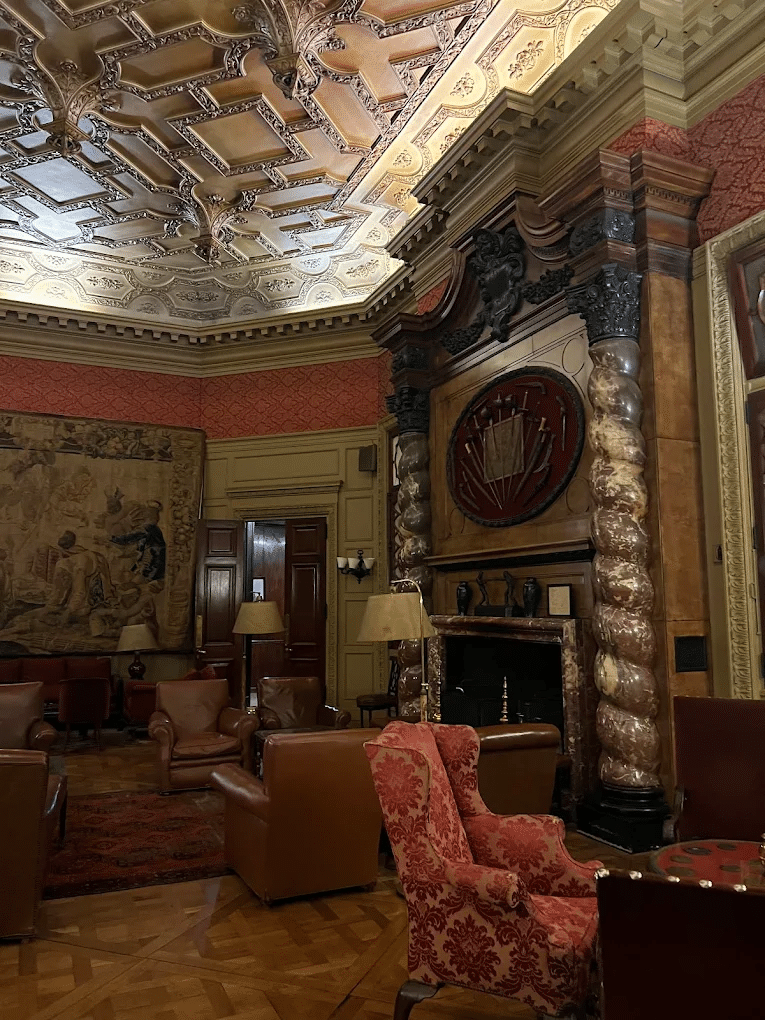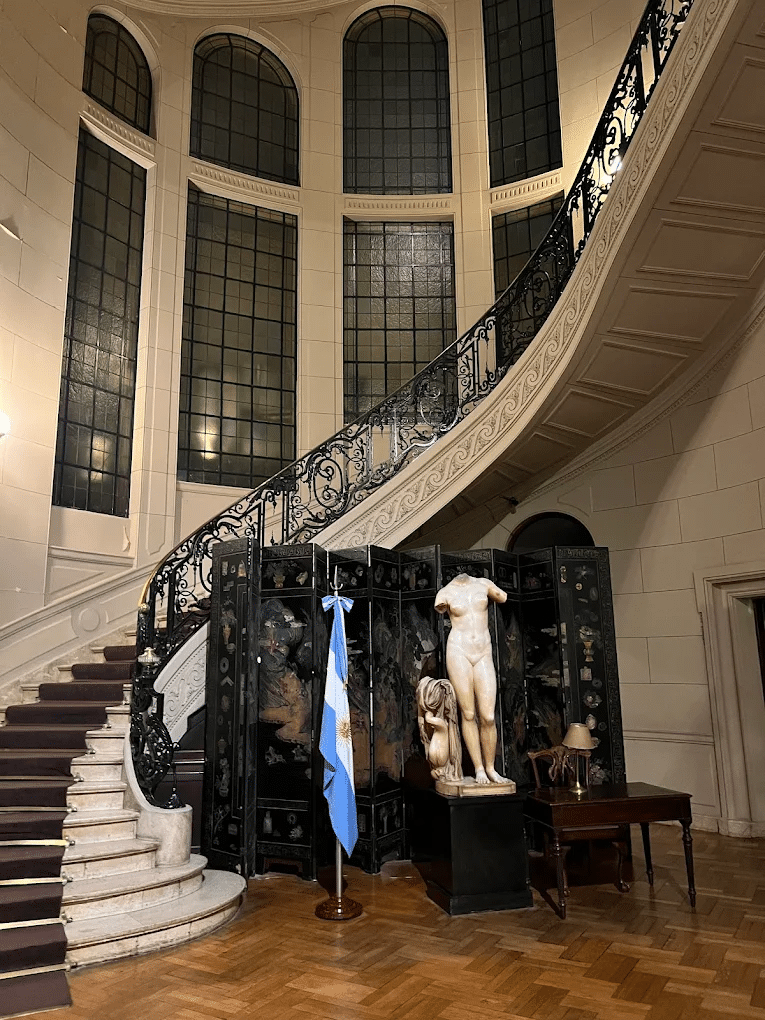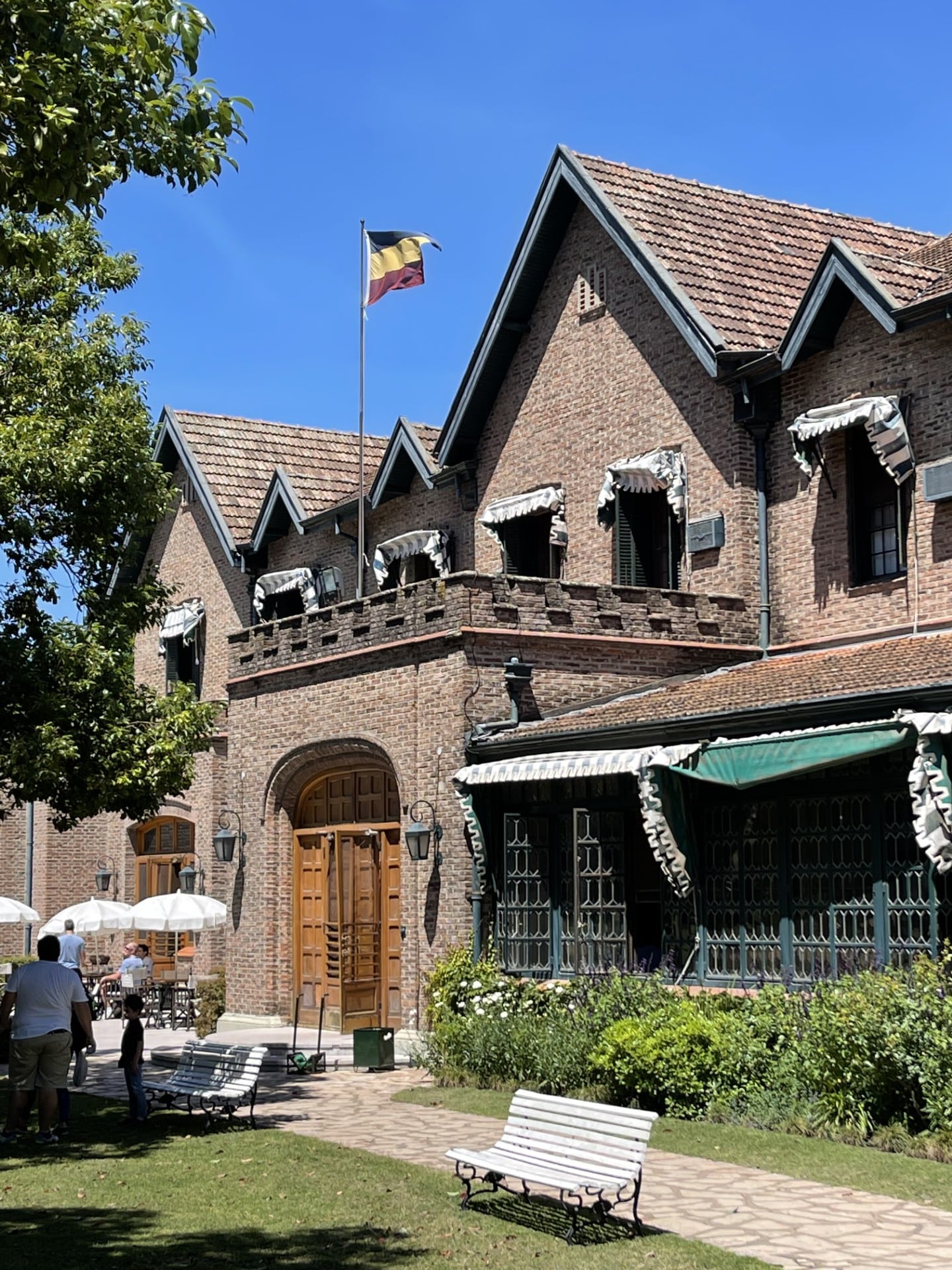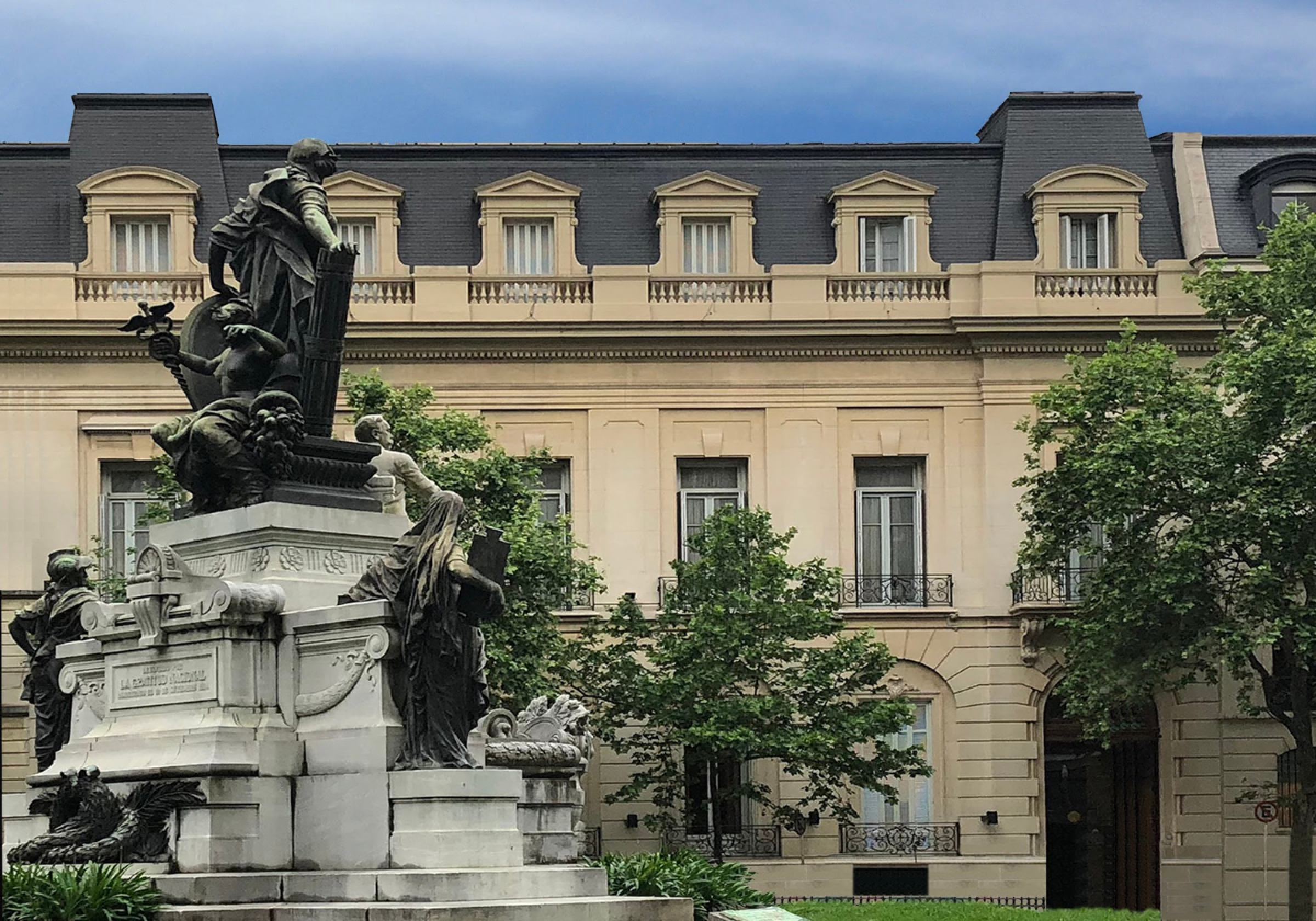
Having grown up in London, I have always regarded England as the “Mecca” of gentlemen’s clubs, and rightly so. However, after spending the last forty years living in cities ranging from London and New York to Bangkok, Singapore, and most recently Buenos Aires, I have acquired what I dare call a certain expertise in both gentlemen’s clubs and sporting clubs.
To avoid misunderstandings, when I refer to “gentlemen’s clubs,” I mean all traditional private clubs, including those that, over time, have opened their doors to women. In my view, neither model is objectionable. Freedom of choice should remain a cornerstone of our society.
by Nikolaos Kosmatos
What has particularly impressed me, however, is Buenos Aires. The capital of a country caught in the turmoil of a perpetual economic crisis, it nevertheless carries the legacy of a nation that, until the 1950s, ranked among the six wealthiest countries in the world. It is therefore no coincidence that, from the late nineteenth century onwards, clubs modeled after their English counterparts flourished in this beautiful city—the “Paris of South America.”
The author is a member of two of Buenos Aires’ most traditional and selective clubs, the Hurlingham Club and the Jockey Club, and enjoys access to three others through reciprocal agreements with clubs of which he is a member in Athens, namely the Athenian Club and the Athens Tennis Club.
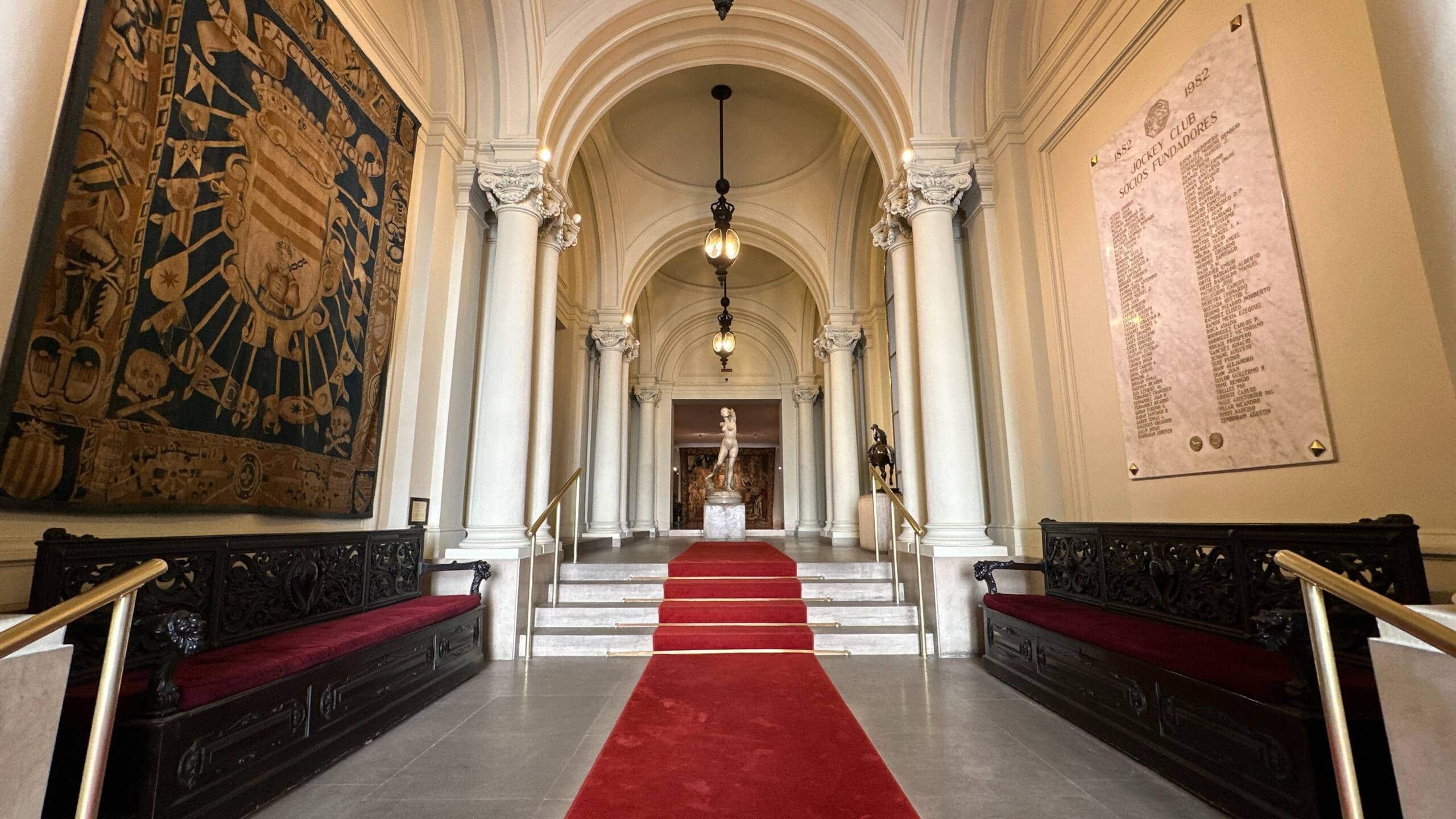
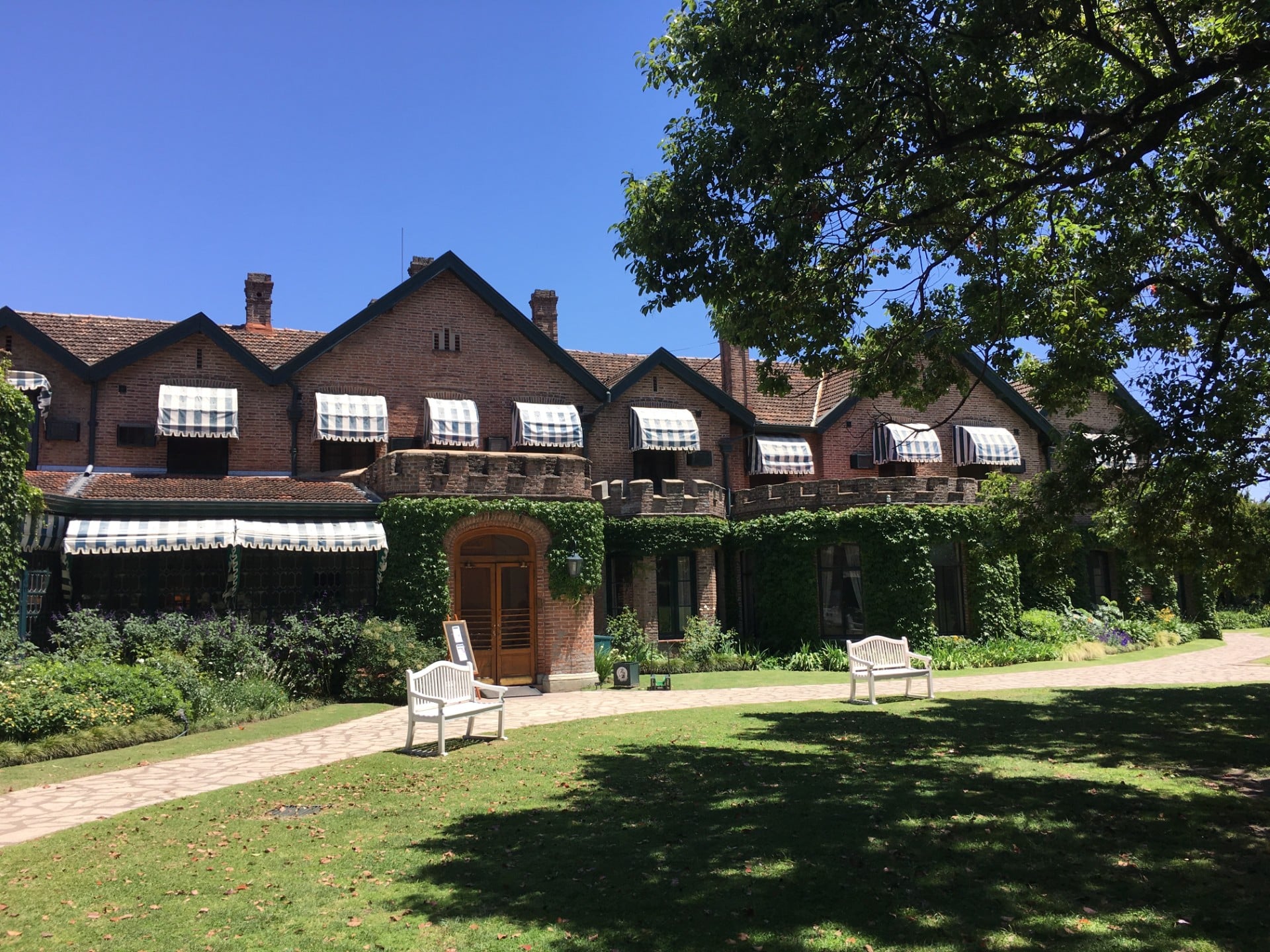
The Hurlingham Club is an unmistakably English institution, where portraits of Queen Elizabeth II and King Charles still adorn its drawing rooms. The Jockey Club, founded by Carlos Pellegrini, former President of Argentina, is traditionally associated with landowners of the famous estancias, racehorse breeders, and owners of polo ponies—the mounts of what many call the “king of sports,” polo.
The former places no restrictions on membership and welcomes both men and women. The latter admits only men as members, although women—wives and daughters of members—are permitted to use many of its facilities.
Among the reciprocal clubs are the Circulo de Armas (“The Arms Club”), which remains men-only, the Tenis Club Argentino (TCA), and the Buenos Aires Lawn Tennis Club (BALTC), both of which are open to all genders. It is worth noting that the spelling of “tennis” reflects each club’s historical origins: TCA uses the Spanish tenis, reflecting its more Argentine identity, whereas BALTC retains the English tennis, underscoring its British roots.
If the Hurlingham Club represents the quintessential English sporting club, with its polo grounds, golf courses, grass tennis courts, and cricket fields, and the Jockey Club embodies the world of landowners and horse breeders—with its vast estates, six polo fields, two golf courses, Argentina’s largest racetrack, and buildings rivaling Versailles itself—then the smaller Circulo de Armas is undoubtedly the most exclusive and difficult to access.
With only 330 members out of the 400 permitted by its charter, it is the club of politicians. On any given day, one may find oneself dining beside a former President of Argentina or the President of the Senate. Its members are unconcerned if the club struggles financially, provided it does not compromise its standards by admitting individuals who lack the requisite reputation or fail to meet its stringent social, political, and other membership criteria.
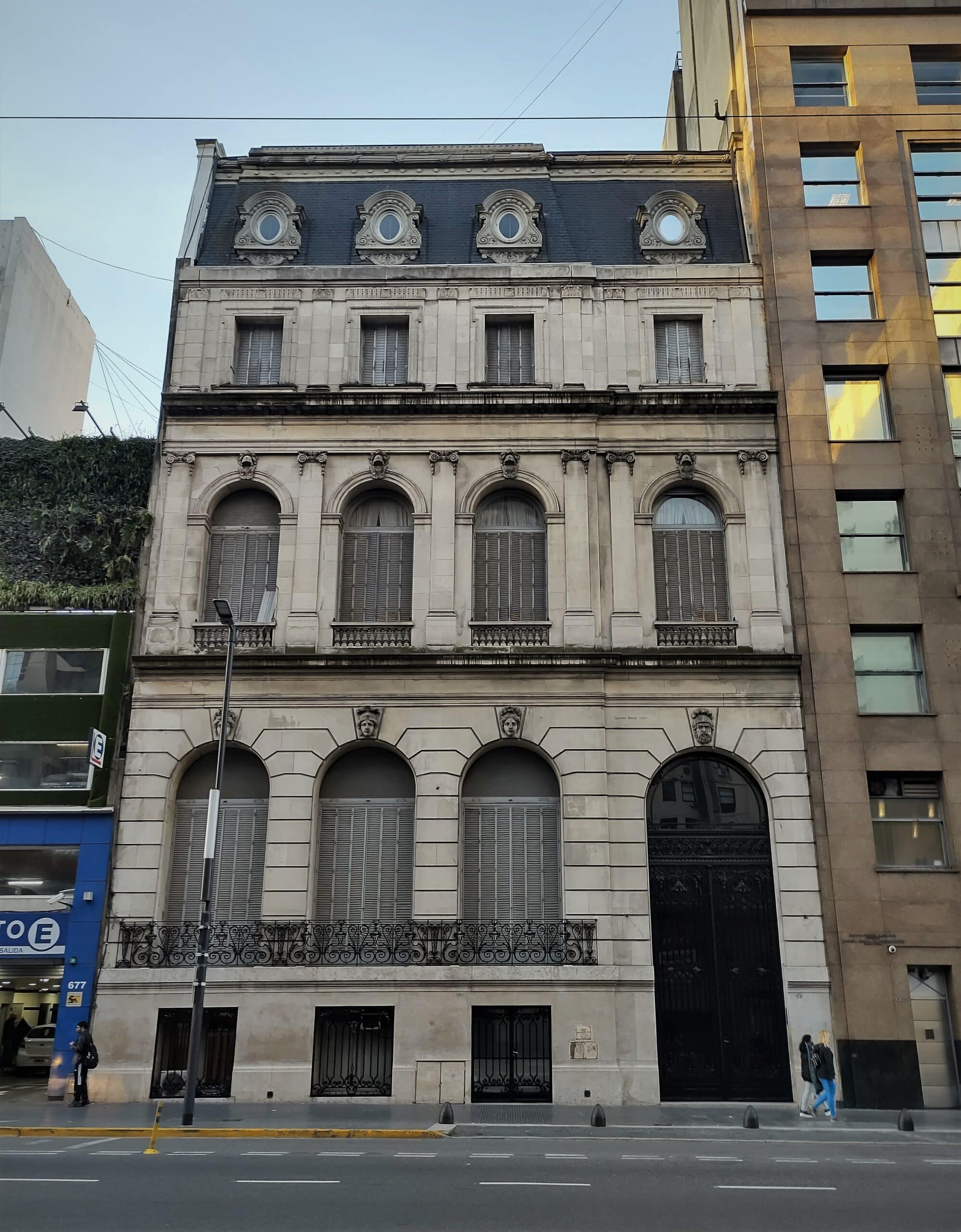
The club’s entrance, located on Corrientes Avenue, does not even bear its name. Those who know, know. A grand green velvet curtain conceals the revolving glass door from the curious eyes of passersby. Face control is rigorously enforced in all its forms—as, indeed, it should be in any club that respects itself.
In a country blessed with a multitude of clubs, there are alternatives for everyone. And for those wondering whether only the wealthy, athletes, politicians, or the powerful have clubs, the answer is a resounding no. There is, for example, a highly popular Truck Drivers’ Club, complete with impressive facilities, tennis courts, swimming pools, and its own distinct traditions and way of life.