by Christos Zabounis
If one looks at Wikipedia and the classic encyclopedias, they will discover that horse polo is one of the oldest team sports in the world. Its origins date back to ancient Persia in the 6th century BC, where it was the sport of the royal court. “Darius III sent Alexander the Great, as an insulting ‘gift,’ a mallet and a ball, as if saying to him: ‘Go play games like a child instead of fighting wars.’ Alexander answered cleverly: ‘The ball is the Earth and the mallet is me. I shall conquer it!’” Nikolaos Kosmatos mentions this incident when I ask him about the history of the sport. And he continues: “From Persia, the game spread throughout Asia through merchants traveling across the continent and eventually reached the territories of the British Empire.
The modern form of polo was born in colonial India during the 19th century, and there was hardly a high-ranking English officer who respected himself and had not founded a club within his regiment and played polo. It was only a matter of time before the sport was adopted by the “sceptered isle,” as William Shakespeare called it, and from there spread to Ireland, Australia, the United States, and Argentina.” “In Argentina?” I ask in surprise. “Indeed. Argentinians, with their enormous tradition in horsemanship and cattle breeding, elevated it into a national sport. For more than one hundred and twenty years they have produced the best players and the best horses, and today they dominate worldwide.”
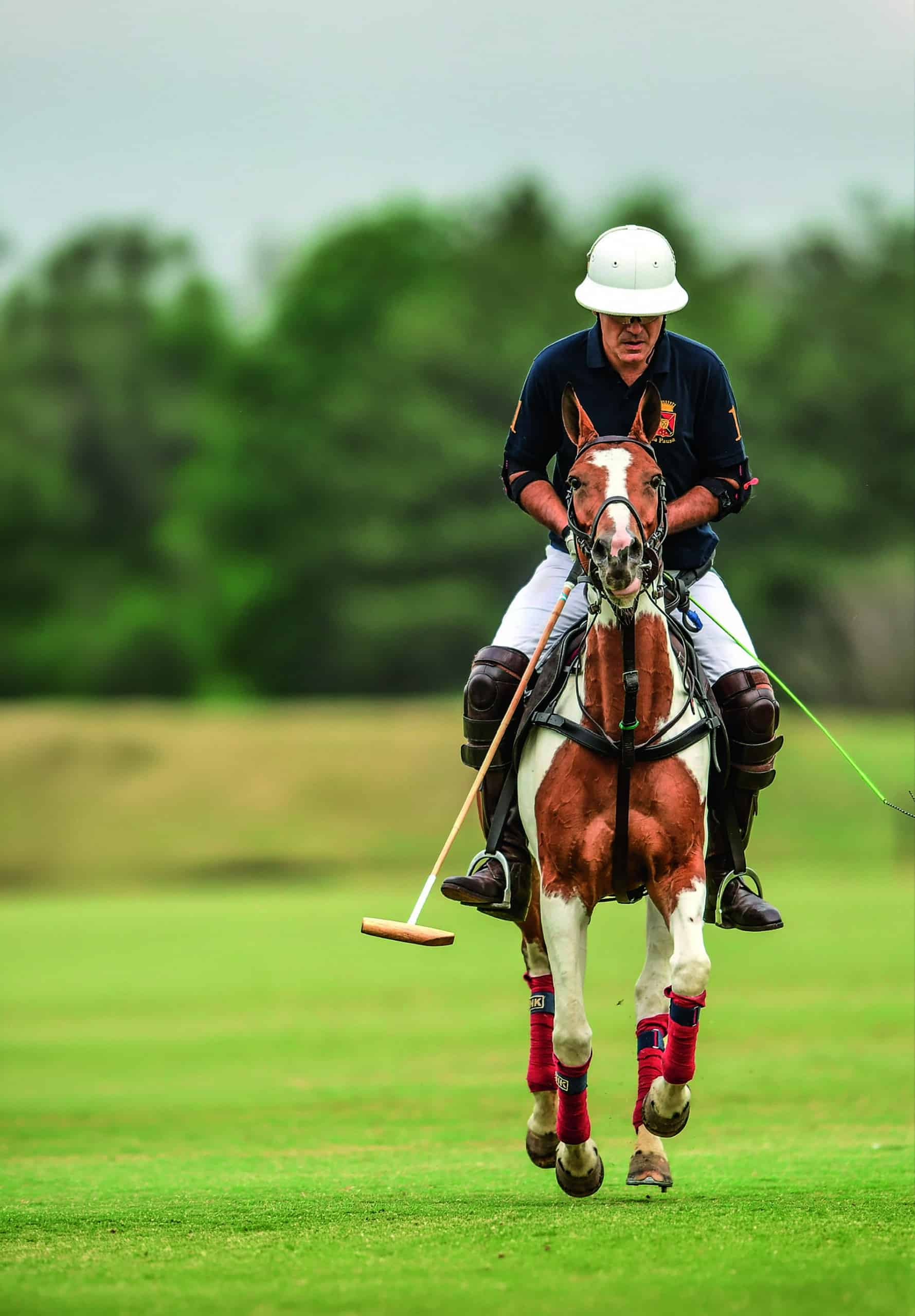
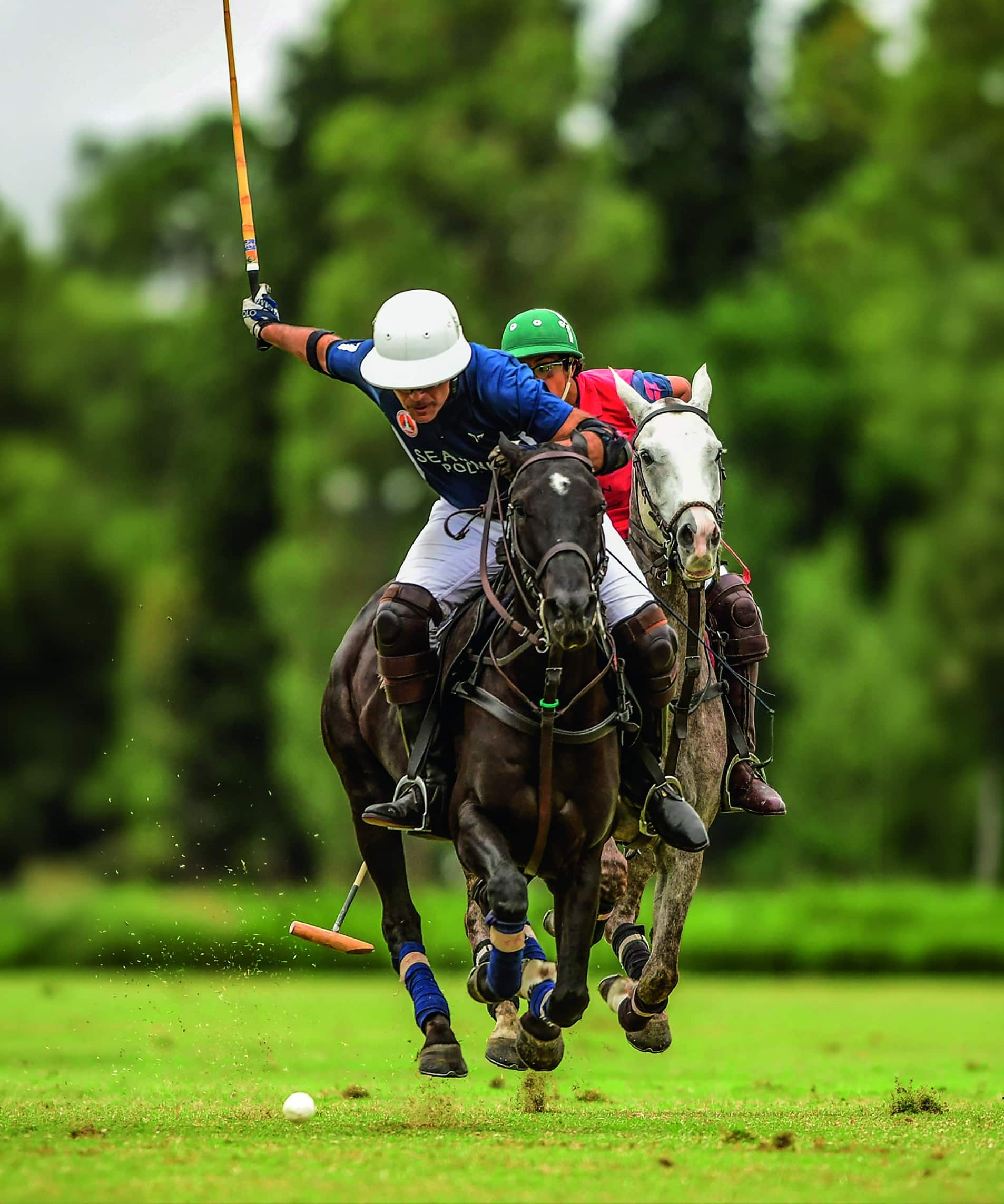
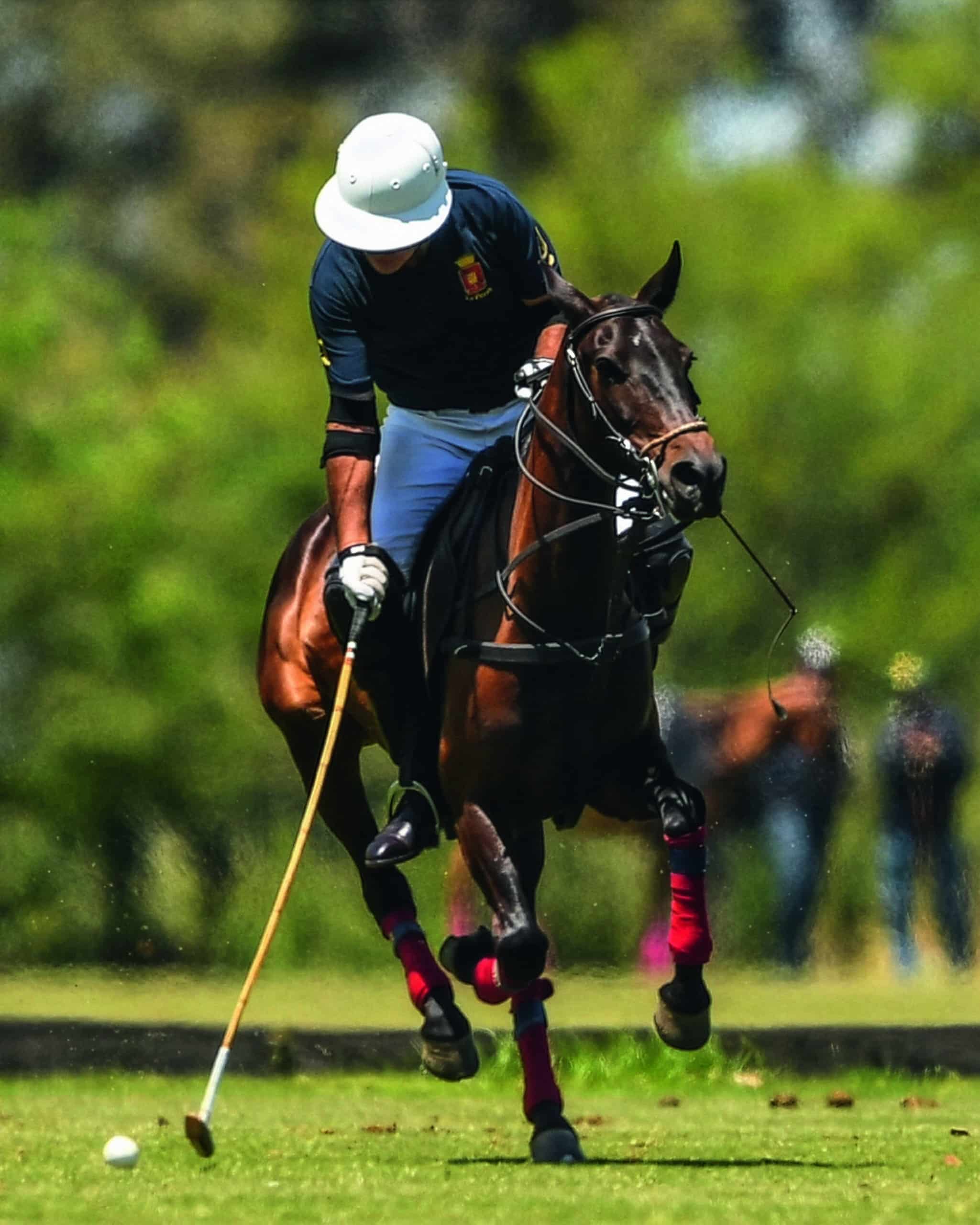
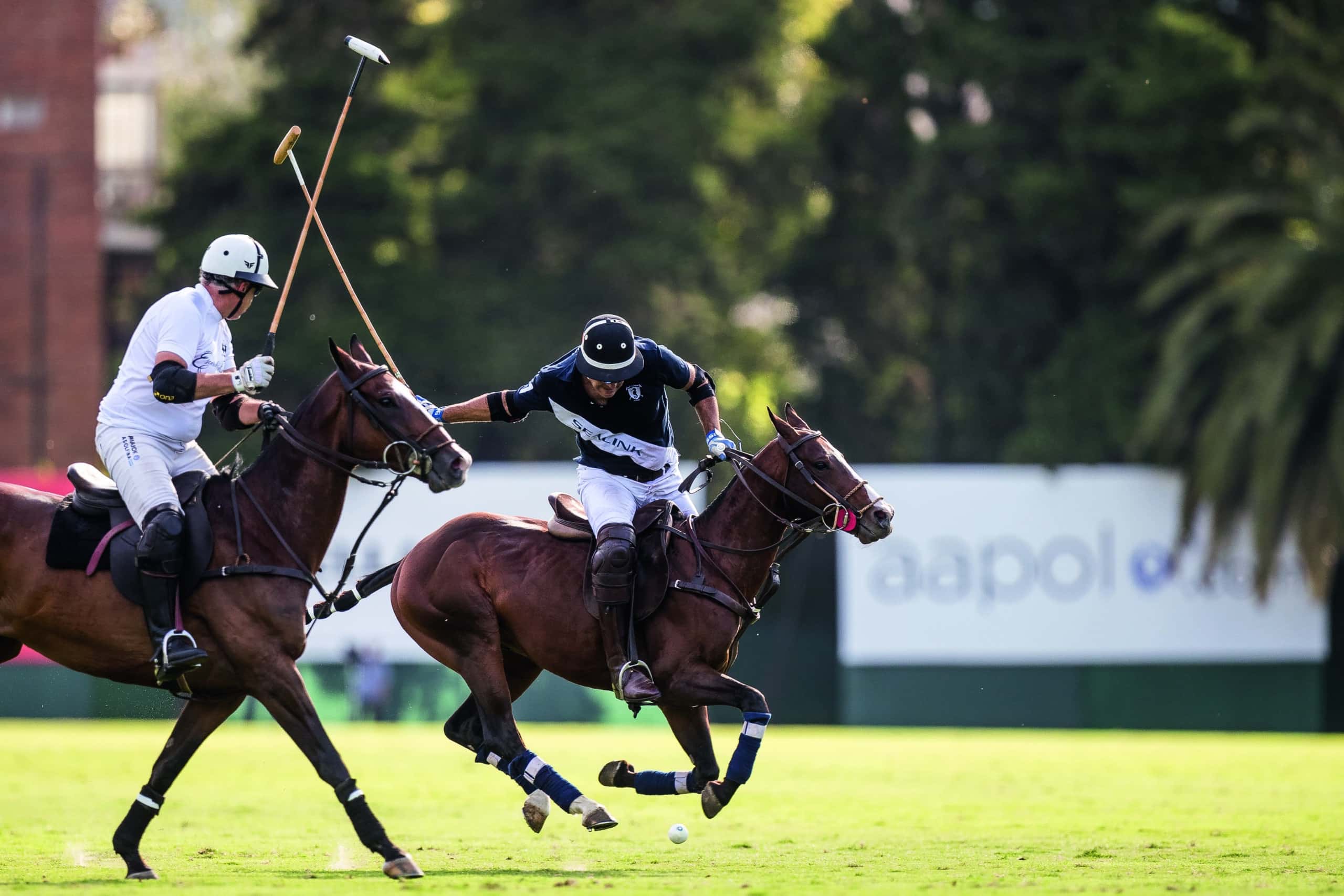
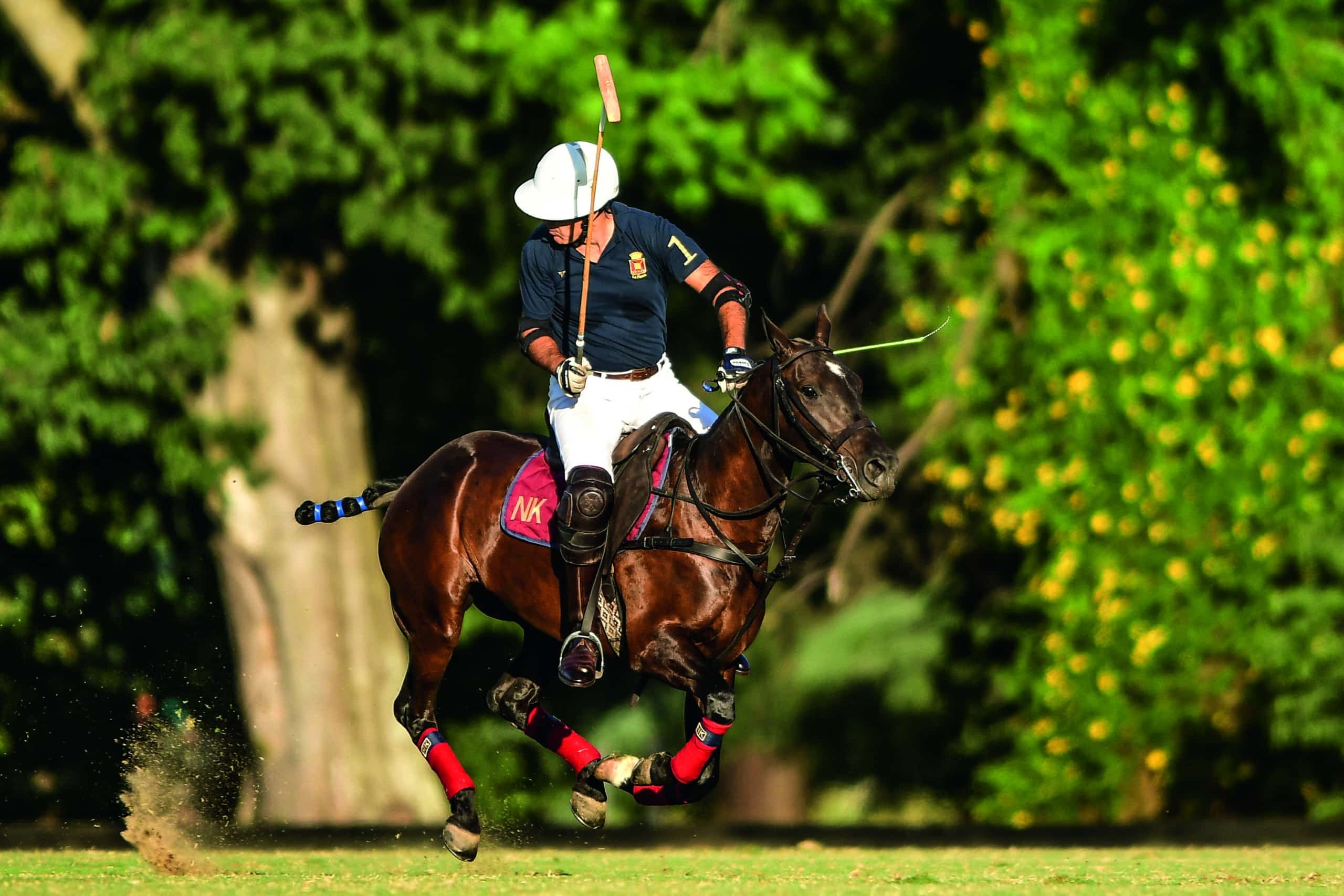
But when and how did his passion for polo begin, and how did he end up in Latin America? “I had been riding horses since I was young, but growing up in London during the 1980s and 1990s, and having a love for horses, I began watching Charles III — then Prince of Wales — play his favorite game, polo. If we also add the King Constantine Polo Cup organized in London by the late Constantine II, together with one of the most successful polo teams in England for many years, ‘Tramontana,’ founded by shipowner Antonis Embirikos, then my path as a polo player was almost predetermined. I began lessons in 1991 while studying at Imperial College London. Every Wednesday we had sports day and went to Ascot Park Polo Club and Epsom Polo Club to practice. From the very beginning I fell in love with the sport, and I can honestly say that I became passionate about it. It is the adrenaline of scoring, the high speeds during the game, the horses, and finally the esprit de corps, the team spirit among the players, that create a kind of addiction for me.
It is a difficult and at the same time very dangerous sport that requires excellent riding skills, but as the legendary player Gonzalo Pieres once said: “Polo is addictive. You will never see someone start playing polo and later say they do not like the sport and have decided to replace it with something else.” My next question concerns why polo never flourished in Greece. “In 1995, together with a Greek-Swiss friend of mine, Stefanos Mayer, we made an attempt and brought seven Argentine polo horses to Athens from the Zurich club. At the same time, together with well-known Greek riders, we founded the Athens Polo Club. We had difficulties finding a suitable field near Athens because polo requires 50 to 60 acres of land, and the Army cavalry facilities where we were hosted did not allow us to play regular polo, only arena polo with three players on each side. The early death of the late shipowner Stamatis Inglesis, who together with Admiral Karamanolis had also founded and almost single-handedly financed the mounted polo team of the Naval Cadet School, which achieved distinctions abroad, but above all the lack of players, led to the abandonment of the sport in Greece. I remember several horses eventually ending up free of charge with the carriage drivers of Spetses.”