RADIO
| RADIO SHOP
CONTACT
Travellers Attitude · International Style Society

Pure Heaven

Maserati MCPura Celo- was too good, until it broke down

by Jeremy Clarkson

Humber. Riley. Wolseley. Austin. Morris. Hillman. Sunbeam. Triumph. TVR. Singer. Bristol. Armstrong Siddeley. For various reasons, all of these brands have now disappeared. Then we have MG and Rover, which have been shipped off to China. And Jaguar? After that Bud Light-style advertising campaign last year, only God knows what its future holds.

Now let’s compare and contrast the tragic collapse of the British car industry with what’s happened in Italy. Lancia, Lamborghini, Alfa Romeo, Ferrari, Fiat, Maserati, De Tomaso. They are all still going. Which raises the question: how? How did the Italians manage to keep all these famous brands alive while we failed?

Here’s what I think. Britain is home to countless tinkerers. People who spend their time in sheds. People who like going to the bottom of the garden at weekends to experiment with things. For the most part, these people aren’t especially interested in cars themselves, only in what makes them work. They like starter motors, shock absorbers and carburettors, but often regard the car as a whole as an expensive nuisance. Think about it. When British Leyland was gasping its last breath, the only thing we talked about was the jobs being lost. The cars? Nobody cared.

In Italy, things are different. Shortly before he was diagnosed with cancer, AA Gill and I went there to settle an argument. He believed Italians mainly cared about food in general and ingredients in particular, whereas I disagreed. Sure, they get excited when presented with a special tomato tart, but their real passion is cars. And not just the mechanical bits that make them move, but the whole thing. In Italy, a car is a living being. So getting rid of, say, Lancia because it is no longer financially viable would be like putting your dog down because its food had become too expensive. Or your grandmother because you could no longer afford her adult diapers. It simply isn’t something an Italian would even contemplate.

If you told an Italian he could buy a cheaper and more reliable alternative from China, he would look at you as if you had suggested replacing his fettuccine with a tin of Heinz spaghetti.

Today, Lancia makes only the Ypsilon, which sells in tiny numbers to a customer base consisting almost entirely of attractive girls in Rome. There is no economic logic to it. The multinational company Stellantis, which owns Lancia, must surely have pushed for it to be scrapped, but somehow it survives.

And perhaps rightly so, because over the years Lancia has made more genuinely great cars than almost any other manufacturer.
The Integrale, the 037, the Aprilia, the Stratos and many more. It also broke more ground than anyone else. It introduced the world to independent front suspension, the V6 engine, the five-speed gearbox, the monocoque chassis, and it was Lancia that first designed a car with aerodynamics in mind.

You cannot get rid of a company with a history like Lancia’s simply because it loses something as trivial and superficial as a bit of money. We would do that in Britain — and did — because we are not true car lovers. But in Italy, where people are, shutting down Lancia because it is loss-making would be like tearing down the Colosseum because the city council wanted a bigger roundabout.

Then there’s Maserati. Again, the board of Stellantis must sit in its headquarters in the Netherlands wondering why it still carries this dead weight, especially since it already owns Alfa Romeo, which is essentially the same thing.

Surely, you would imagine that when Ferrari was spun off from the group and therefore could no longer supply Maserati with engines, that should have been the end. It would take billions to preserve the brand’s glamour. New engines. New everything. And why bother when everyone who remembers Maserati winning race after race in the 1950s can barely remember anything now because they have Alzheimer’s? It would have been madness to persist. And yet they did.

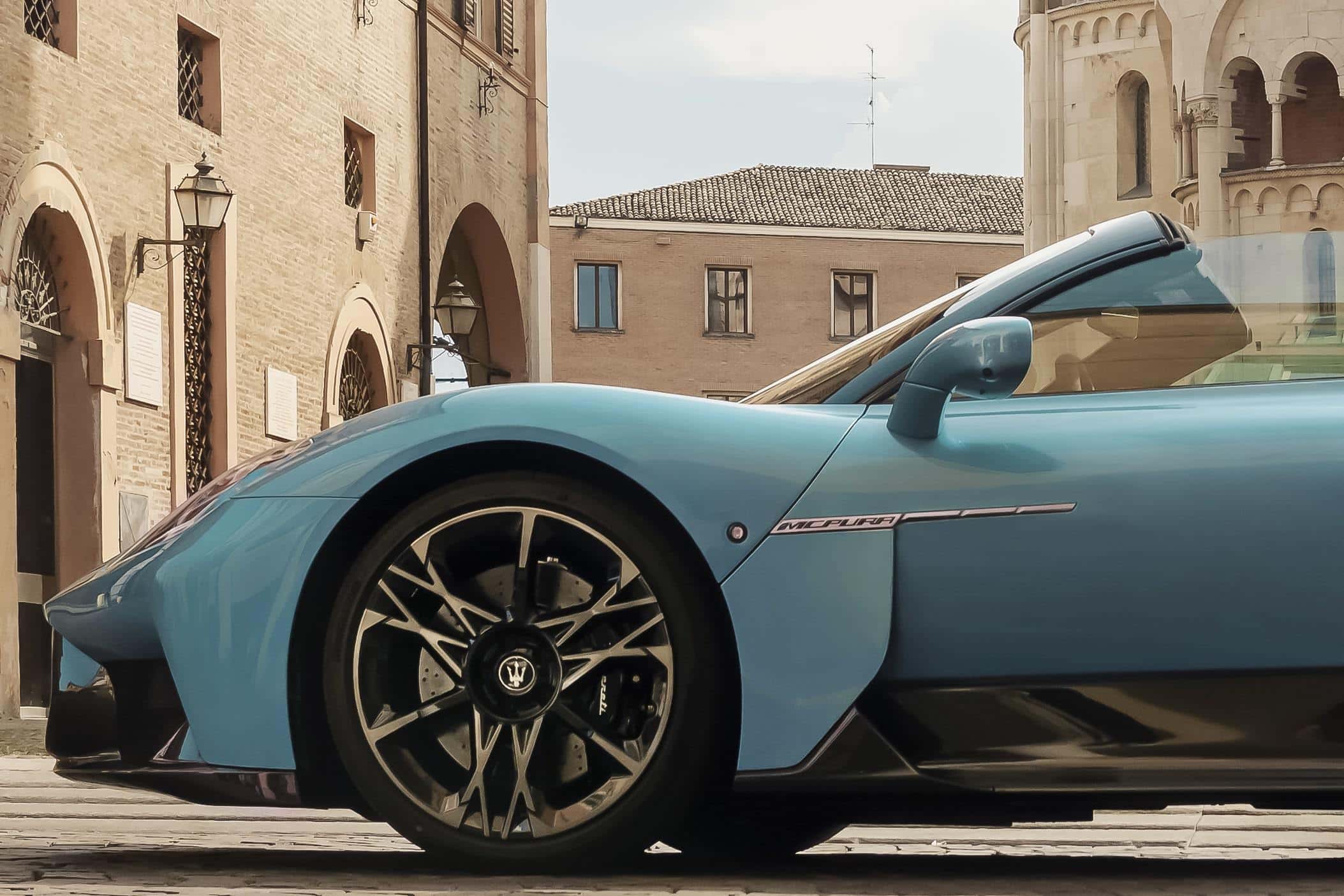
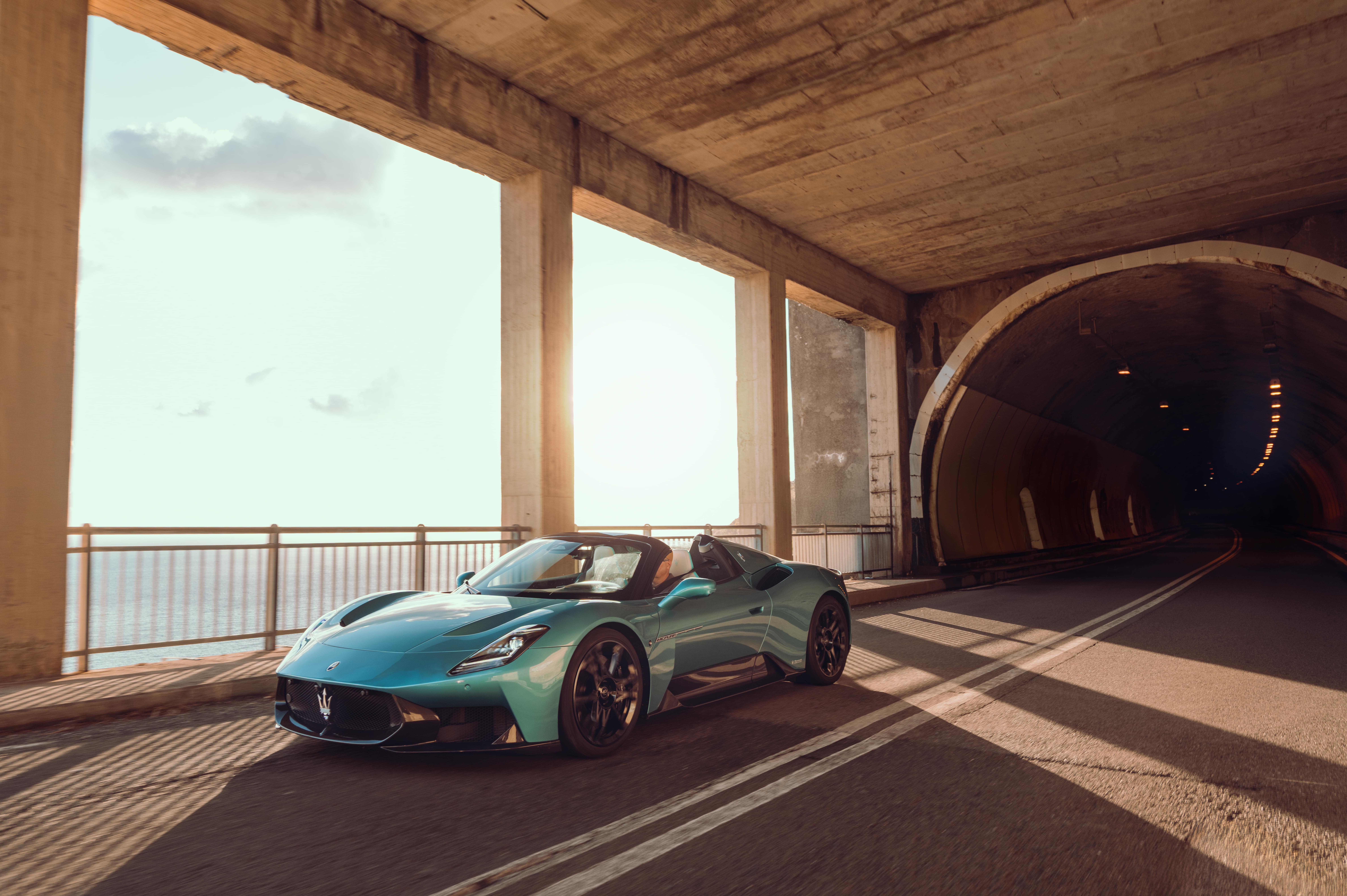
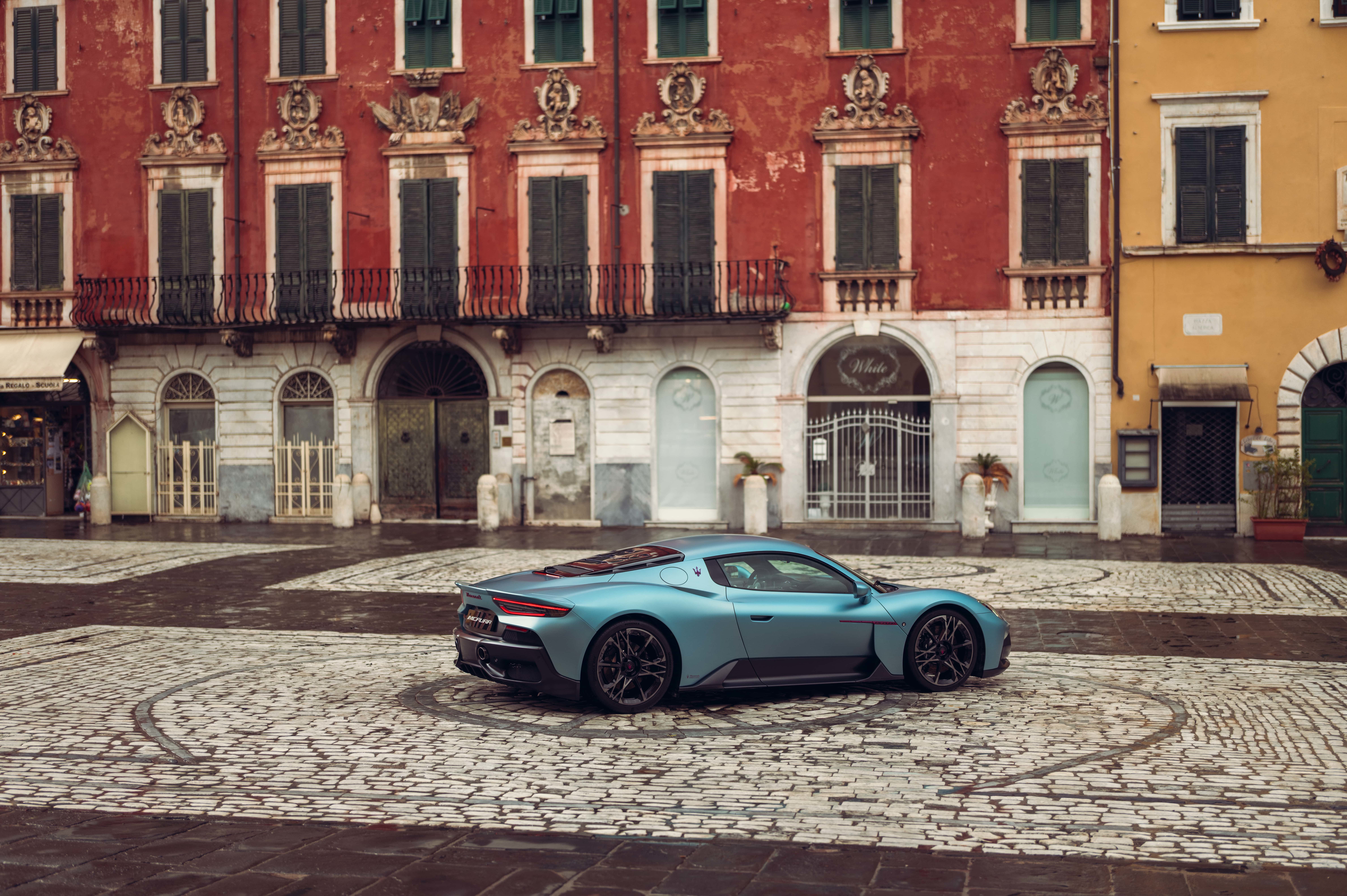
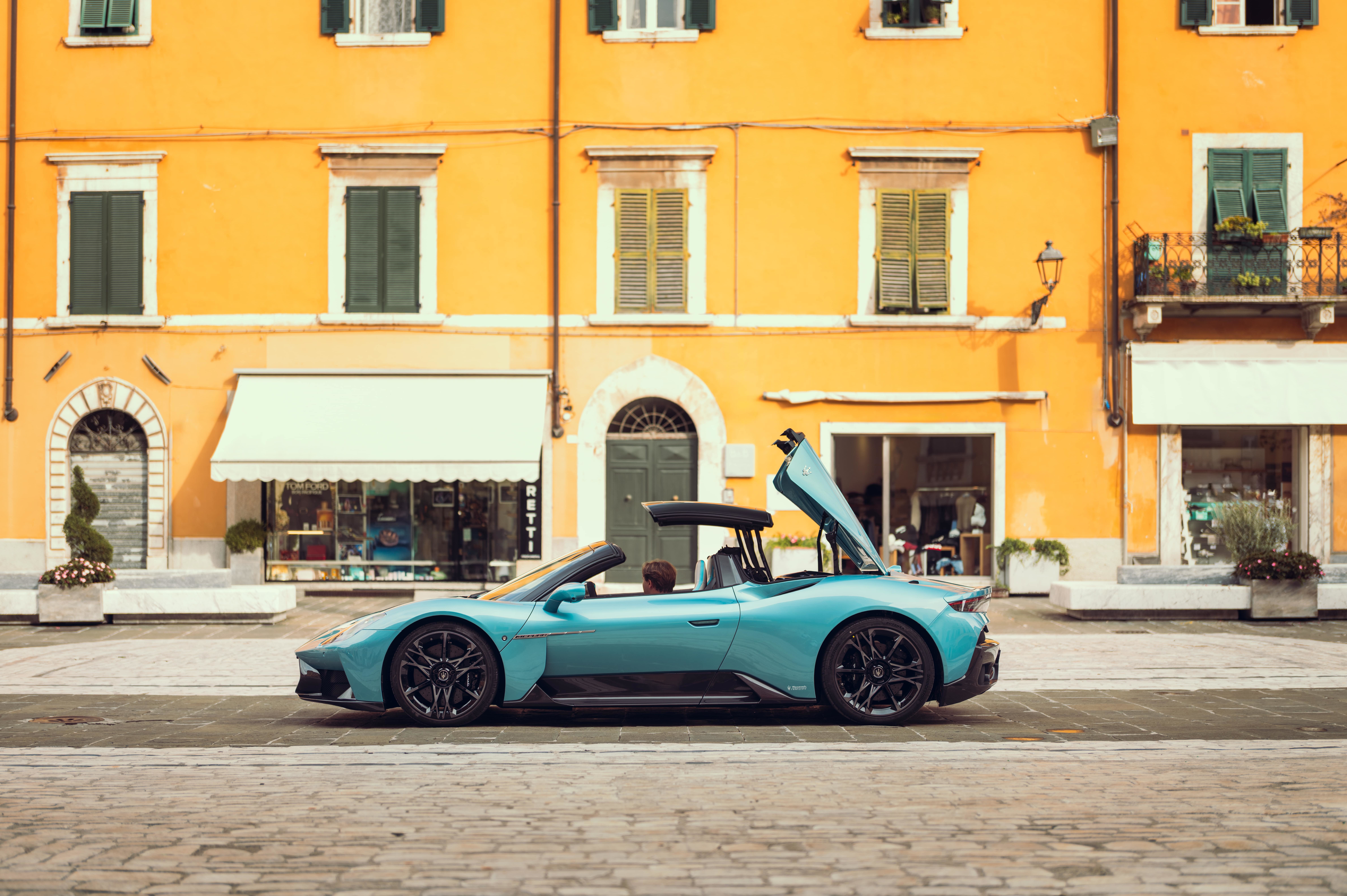
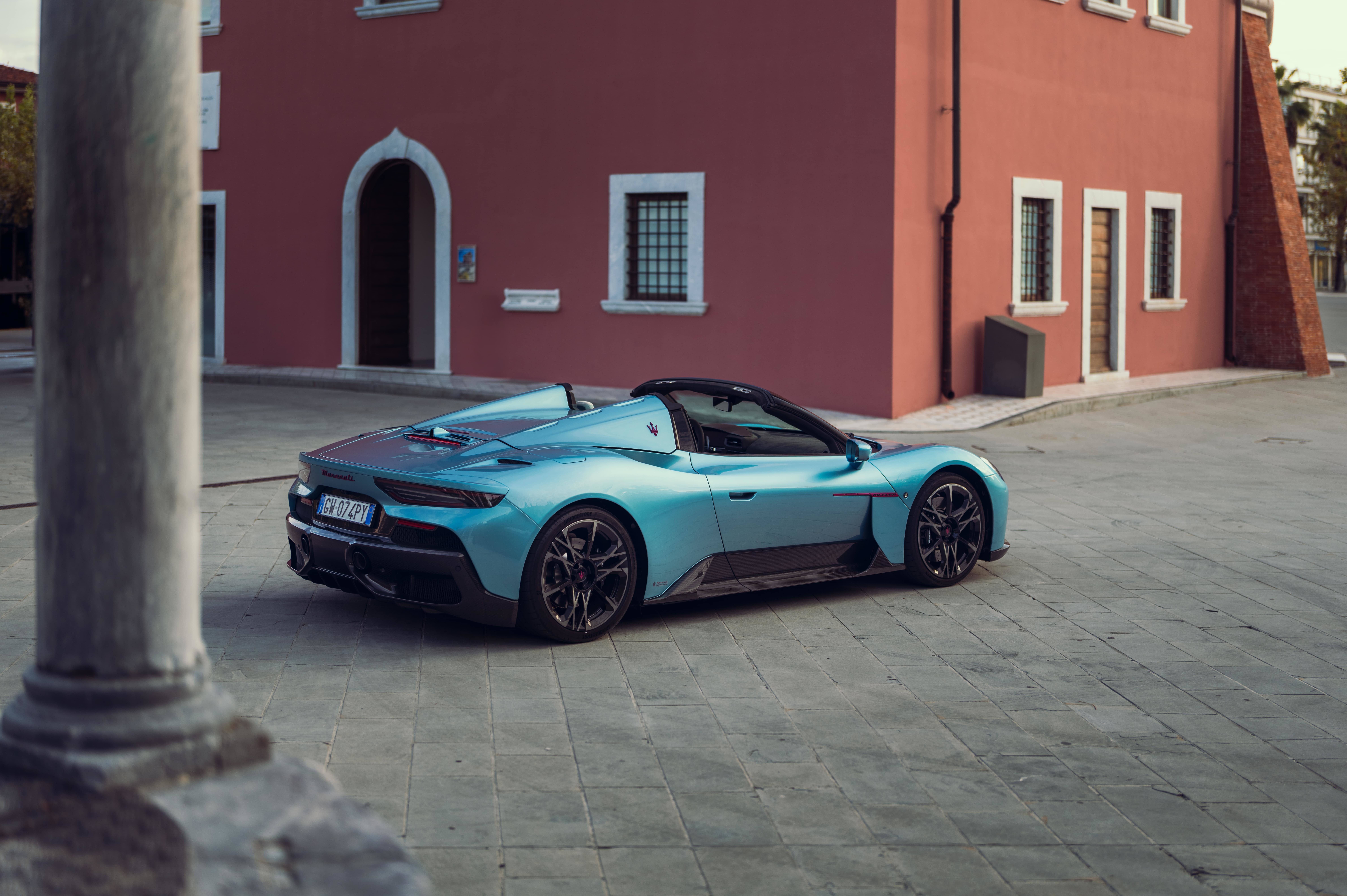
The flagship of the range is the luxurious convertible MC Pura Cielo. It means “pure sky,” though I’ve no idea why they gave it a Scottish-sounding prefix. Perhaps it’s actually “MC” and not “Mc.” Who knows?

And also: who is going to buy it? Who is going to look at everything being produced by Aston Martin, Bentley, McLaren, Ferrari and Lamborghini and say: “No, I want to spend my £234,890 on a Maserati”? It would need to be truly exceptional.

In fact, it would need to be more than exceptional because once you add carbon-fibre trim — which costs an extra £30,625 — and electronic features that come standard in a Kia, the final bill climbs above £300,000.

Normally, when you climb into a car costing that much, you find every button and switch made from diamond-encrusted titanium and leather sourced from the softest cow on earth. Not in the McMazzer. The buttons feel like they came from a Fiat Punto and the seats are hard and mean. Overall, it’s rather disappointing.

There’s a similar issue with the styling. Yes, it’s a mid-engined two-seat supercar, but we’ve seen those before. And apart from an enormous trident badge on the engine cover, it all feels strangely familiar.

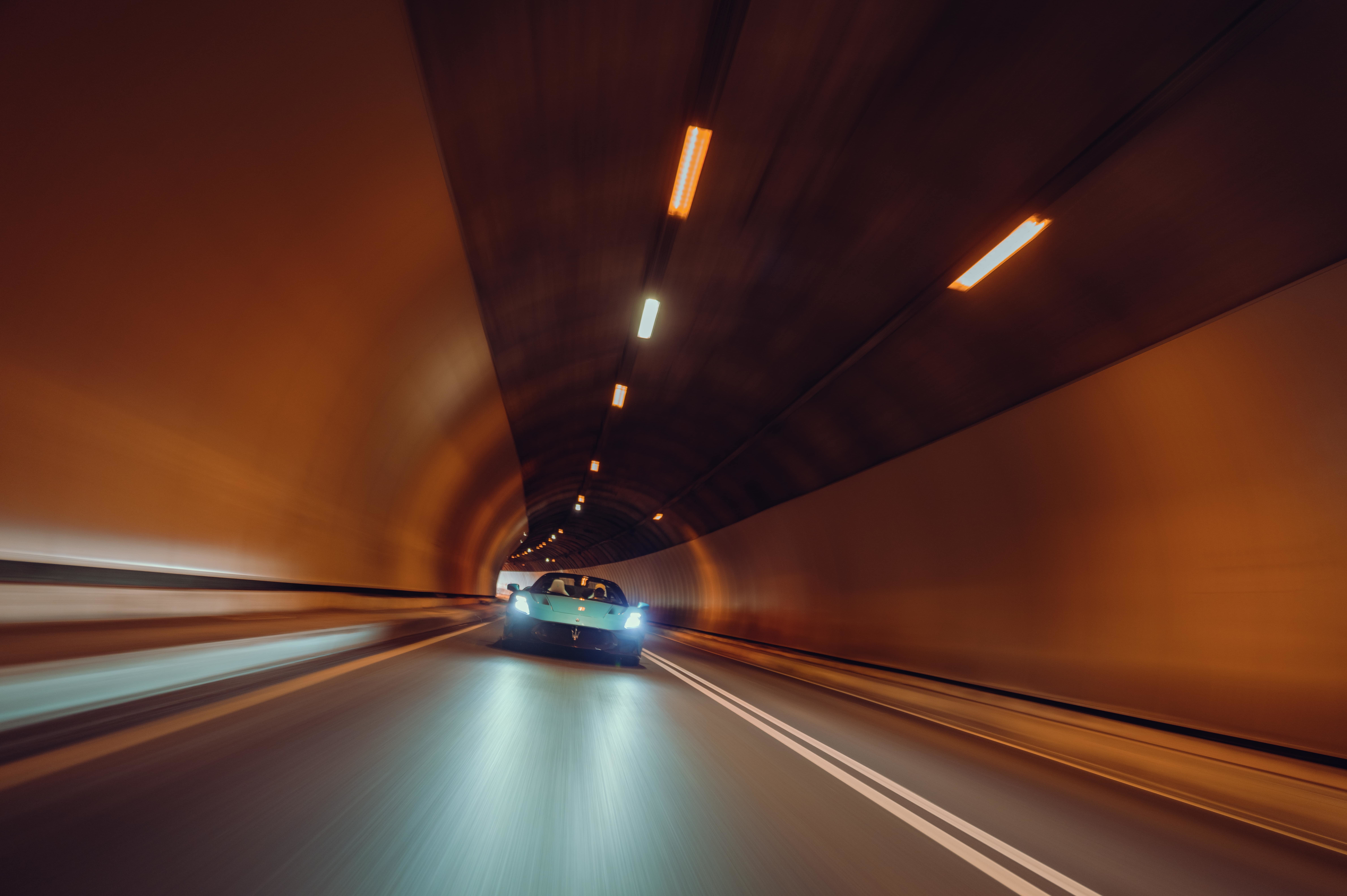
The engine? It’s a 3.0-litre twin-turbo V6 with dry-sump lubrication, and it makes a noise. Not an unpleasant noise, but not one that sends shivers down your spine either. Power? Well, it produces 621 horsepower and, for me, that’s the sweet spot. Any more becomes terrifying. Any less and you may as well walk.

The timing was perfect when I had the car because the weather was awful. Torrential rain. Freezing cold. A wind hammering in from the east. Ideal conditions for lighting a fire and watching Landman. Not ideal for driving around in an Italian supercar.

And yet it coped brilliantly. There are five driving modes — Corsa, Sport, Grand Touring, Wet and Esc Off — and if you select Wet mode, the ride becomes smooth and exceptionally comfortable. There are other advantages too: practical luggage space front and rear, and enough headroom to drive while wearing a hat. Maybe not a stovepipe top hat, but certainly a bowler.

I really enjoyed wafting around in a fully equipped supercar that was easier to manage than a Golf, and the next morning I had another pleasant surprise. The day before I had switched off the collision-avoidance system, and when I started the engine again, it stayed off. I don’t know whether that complies with EU regulations, but my God, I appreciated it. I’d buy the car for that feature alone.

There were moments when I could put my foot down and have enormous fun. Yes, the nose scrapes constantly on the road, but overall I started thinking about this car the same way I thought about its predecessor, the MC20. I liked it. I even liked its lack of flashiness. It all felt very un-Cheshire, if such a word exists.

But then it broke down.

It was late, I’d had a long day, and on the main road between my farm and my pub, the car failed. As I write this, I still don’t know what exactly went wrong, but while I was wondering how on earth I’d load it onto a trailer with such a low front end in the middle of the night, it suddenly started working again.

I haven’t dared drive it since, which saddens me because it’s just sitting in my yard looking miserable. And you see, that’s the point: I genuinely believe a car can feel sadness because I’m a car lover. I see them as living things. Which is why I would be just as upset if Maserati disappeared as some people would be if the Uffizi Gallery were demolished because its air-conditioning bills had become too expensive.

Jeremy Clarkson / The Sunday Times / News Licensing

Photos Courtesy of www.maserati.com