RADIO
| RADIO SHOP
CONTACT
Travellers Attitude · International Style Society

Blueberry

Without Heroism, Without Excuses He’s not the classic cowboy. He’s the crack within him.

by Marianina Patsa

He was not created to be likable. He was created to be real. He is not the typical hero of the Wild West — he is its deconstruction.

Blueberry is born as Michael Steven Donovan, in a wealthy Southern American household steeped in racist traditions. When he is falsely accused of murdering his fiancée’s father and is forced to flee, something happens that changes his life: during his escape, he is saved by a runaway slave who sacrifices himself for him. This tragic event shifts something inside him and radically changes the way he sees the world.

Shortly afterward, when he is rescued by a Northern patrol, he chooses a new name. Inspired by a blueberry bush standing before him, he adopts the surname “Blueberry.” Under his new identity, he fights with the North during the Civil War and gradually becomes a defender of equality and justice.

He is anything but perfect — a deeply human hero. A character who does not strive to be “good,” but is constantly forced to choose what is right in a world where right and wrong are almost never clear.

His creation was not the result of a random spark of inspiration, but the culmination of a long creative journey around the western genre by both illustrator Jean Giraud and writer Jean-Michel Charlier.
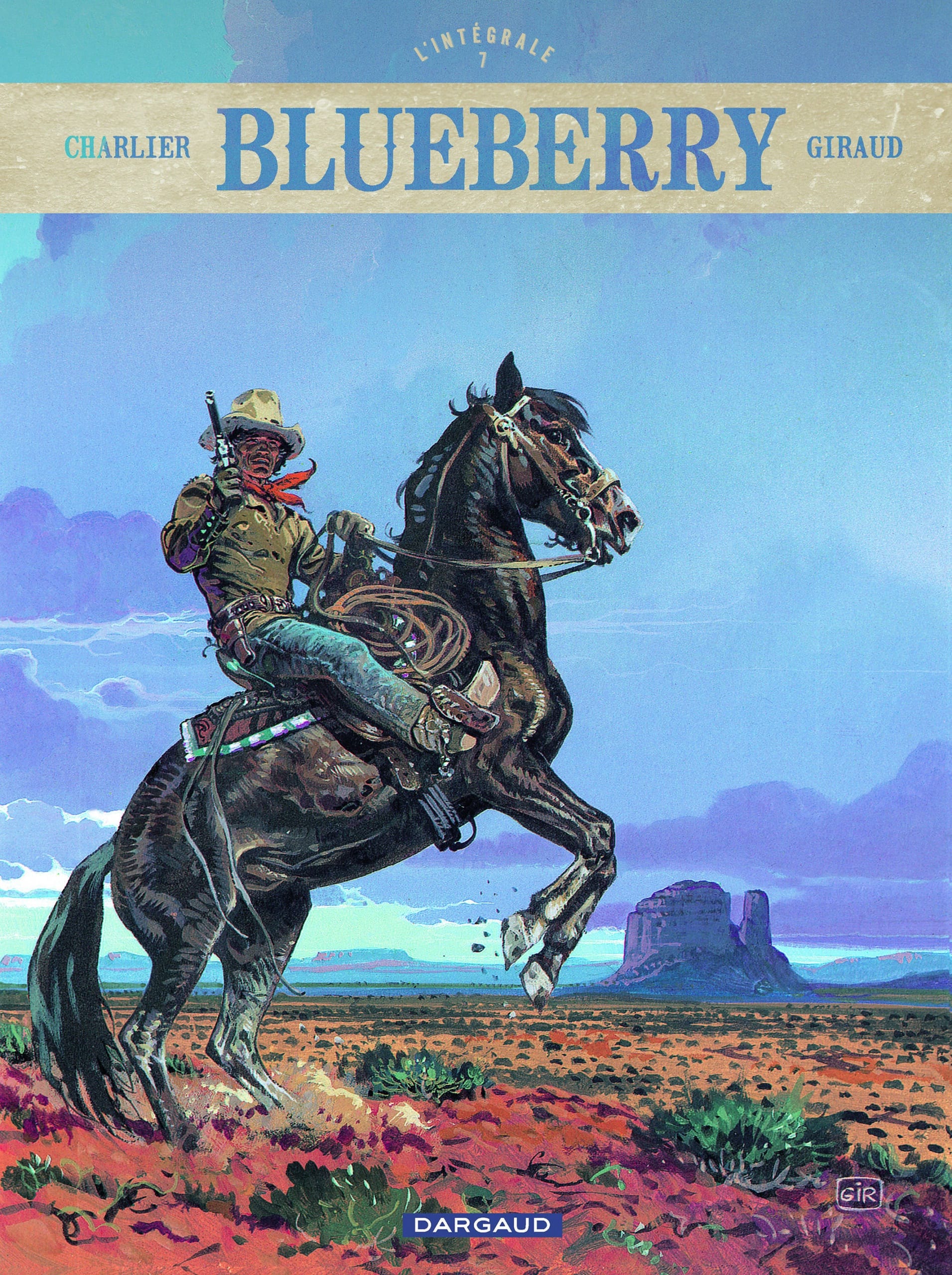
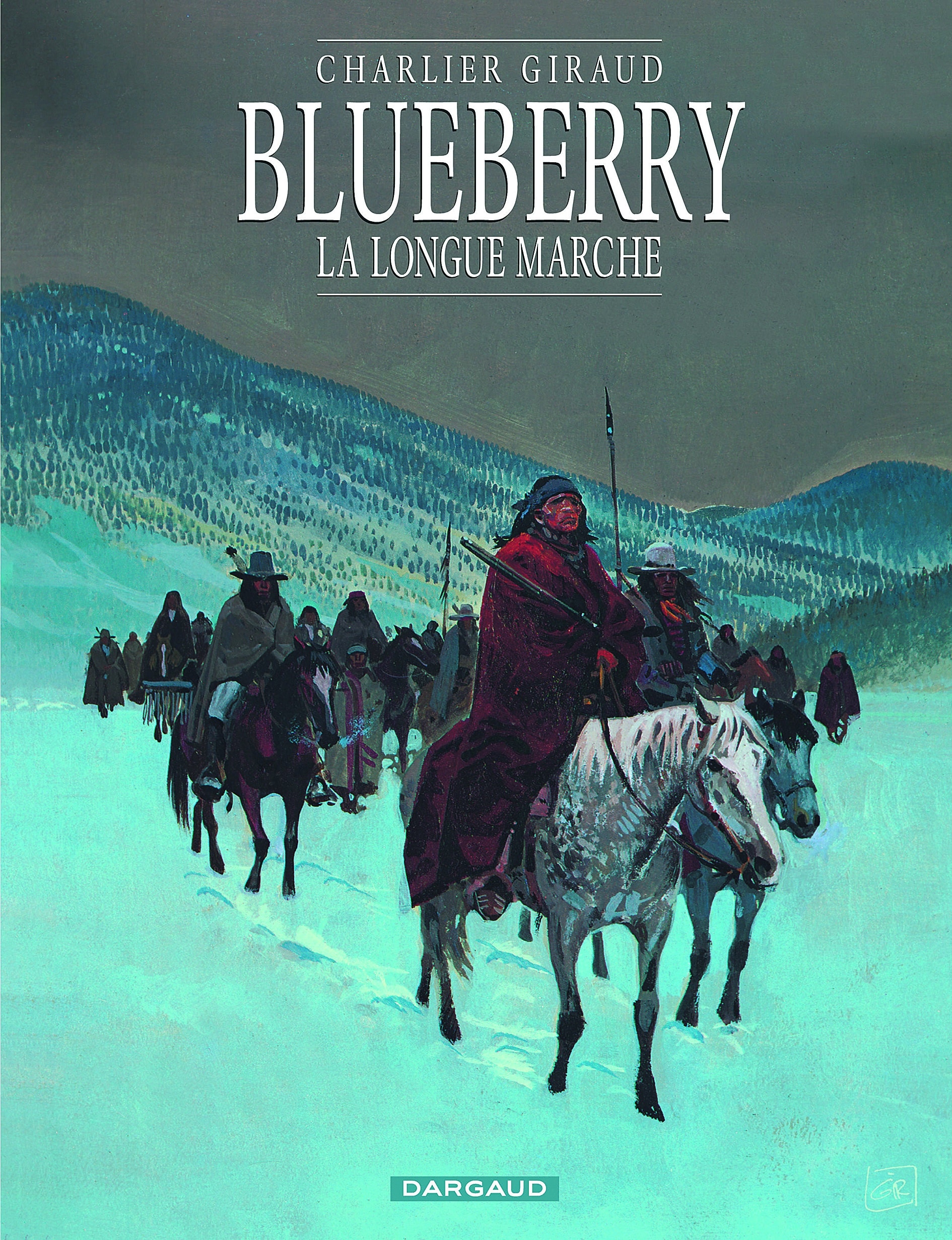
From a very young age, Giraud had developed a strong connection to westerns, working on similar stories and characters. Through early comics — especially the series featuring Art Howell — he gradually shaped a more realistic and mature style of storytelling that moved away from the genre’s stereotypes. At the same time, his personal experiences, such as his stay in Mexico and his encounters with desert landscapes, deeply influenced his artistic perspective.

Charlier, on the other hand, although he initially claimed to feel somewhat detached from the western genre, had already written related stories and had also traveled across United States, gaining firsthand impressions and thematic material, especially concerning Indigenous peoples. The decisive turning point came after a trip to the United States in 1963, when he returned determined to create a new western series for the magazine Pilote.

The original choice for the artwork was Joseph Gillain, who declined and instead recommended his student, Giraud. That meeting proved decisive: Charlier’s narrative experience and dramatic storytelling merged with Giraud’s visual maturity and lived influences.

And so Blueberry was born — not simply as another Wild West hero, but as a more complex and realistic version of the western, grounded in real experiences.

The series unfolds with cinematic pacing, slow-building tension, moral dilemmas, and political undertones — from corruption within the army to violence against Indigenous populations. It is no coincidence that many have compared Blueberry to the antiheroes of European cinema in the 1960s and 1970s.

In an era dominated by superheroes, returning to a character like him feels almost refreshing: a hero without superpowers, but with depth, flaws, contradictions, and — without question — far more truth.